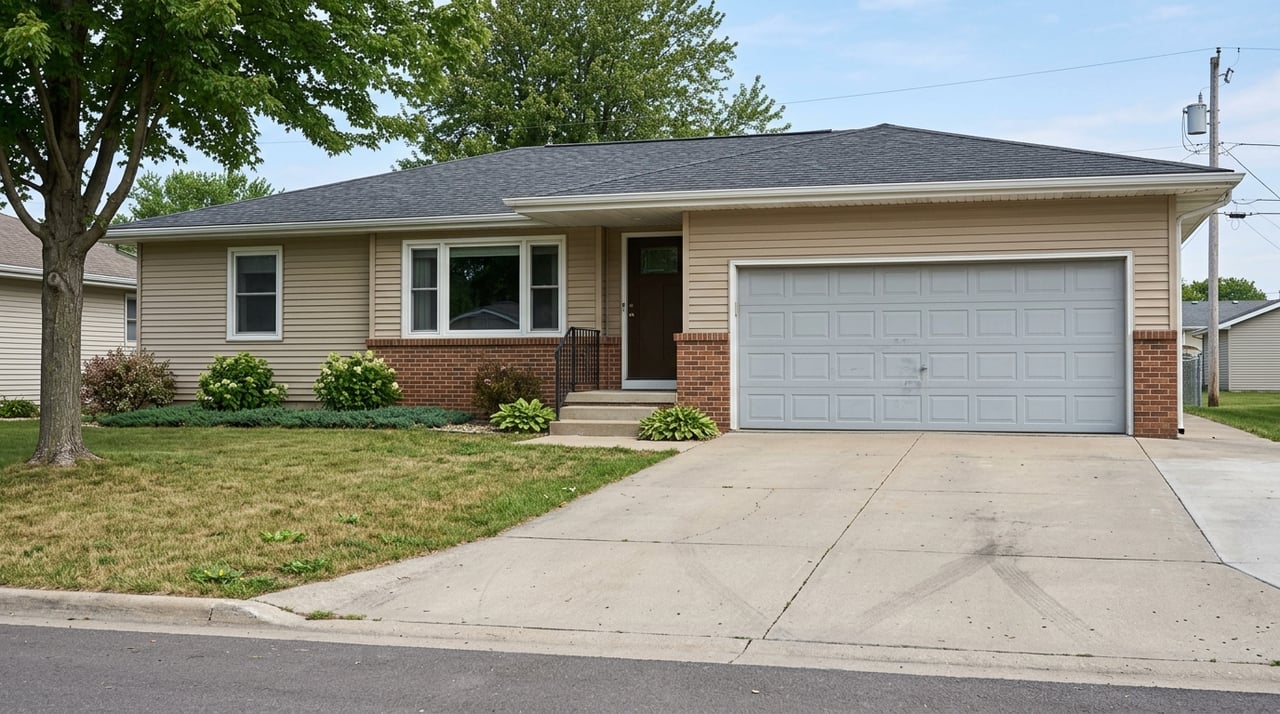
Wondering whether Austin, Minnesota is actually affordable, or just cheaper than bigger nearby cities? That is an important distinction if you are trying to decide where your budget will go the farthest. The good news is that Austin does stand out as one of the more affordable places to buy in southern Minnesota, but that value usually comes with older homes and fewer new-construction options. Let’s take a closer look.
Austin affordability at a glance
Austin’s affordability story starts with lower home values than the state as a whole. According to the U.S. Census Bureau’s Austin QuickFacts, the median value of owner-occupied homes in Austin is $163,900.
That is far below Minnesota’s statewide median of $329,300. The same source shows Austin’s median monthly owner costs at $1,292, compared with $1,947 statewide. Median gross rent is also lower in Austin at $953, versus $1,348 across Minnesota.
In plain terms, Austin gives you a lower entry point into homeownership than many other markets in the state. That can make a real difference if you are a first-time buyer, a budget-conscious mover, or someone comparing smaller southern Minnesota cities.
Austin versus southern Minnesota cities
Austin looks even more affordable when you compare it with several nearby markets. Based on Census Bureau data, Austin sits near the low end of the regional price range for owner-occupied homes.
Here is how Austin compares on median owner-occupied home value:
| City | Median Owner-Occupied Value | Median Gross Rent | Owner-Occupied Rate |
|---|---|---|---|
| Albert Lea | $157,500 | $857 | 74.1% |
| Austin | $163,900 | $953 | 71.5% |
| Faribault | $241,500 | $1,074 | 66.1% |
| Owatonna | $245,200 | $1,067 | 75.6% |
| Mankato | $261,700 | $1,132 | 50.0% |
| Rochester | $310,500 | $1,399 | 65.1% |
Austin is slightly higher than Albert Lea on this metric, but it remains materially more affordable than Faribault, Owatonna, Mankato, and Rochester. If your main goal is finding a lower-cost ownership market in southern Minnesota, Austin clearly belongs in the conversation.
Why Austin homes cost less
Lower prices do not happen by accident. In Austin, they appear to be tied closely to the age and type of available housing.
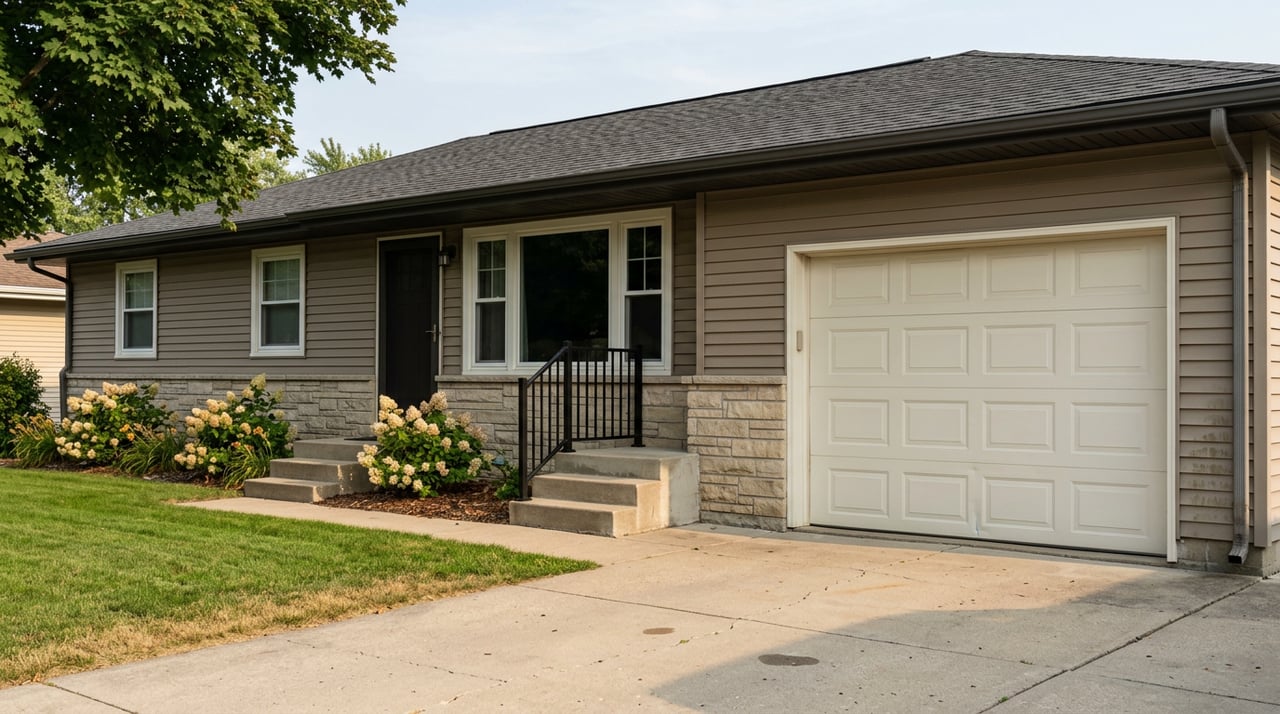
A city-commissioned housing analysis found that 77% of Austin’s residential units are single-family homes. It also found that 90% of those single-family houses were built before 1980.
That matters because older homes often offer lower purchase prices than newer construction. The same report notes there has been relatively little new single-family construction since 1970, which helps explain why buyers looking for brand-new, maintenance-light homes may find fewer choices in Austin.
So, Austin’s affordability is best understood as lower cost tied to older housing stock, not a flood of newer inventory. For many buyers, that can still be a strong value if you are comfortable with an older detached home and the upkeep that may come with it.
What buyers can expect by price range
Current sales data helps show how affordability plays out in the real market. According to Redfin’s Austin housing market page, Austin’s median sale price was $169,500 in March 2026.
That same report shows homes taking about 79 days to sell and closing at roughly 98.5% of list price. It also highlights recent sales ranging from $65,000 for a one-bedroom unit to $266,575 for a three-bedroom, two-bath home.
Here is a practical way to think about Austin price bands:
Under $150K
This is usually where you will find smaller homes, more dated properties, or lower-cost attached units. If you shop in this range, you should expect cosmetic updates, deferred maintenance, or renovation needs to be more common.
$150K to $220K
This is the heart of Austin’s market. Since the median sale price is about $169,500, many first-time buyers and move-up buyers will spend most of their time here.
$220K to $300K
In this range, you are more likely to see larger homes, more updates, or properties that offer features that stand out in Austin’s market. Buyers looking for extra space or a more turnkey option may focus here.
Above $300K
This is premium territory for Austin. Even so, it can still compare favorably with many other Minnesota markets, since Austin’s upper end remains below the statewide median owner-occupied value.
Rent versus own in Austin
If you are renting now, Austin may look appealing as a place to make the jump into ownership. The Census Bureau reports median gross rent of $953 and median monthly owner costs of $1,292 in Austin.
That gap is narrower than it is statewide, but owning still costs more on paper. It is also important to remember that ownership includes expenses beyond a mortgage payment, such as taxes, insurance, maintenance, and repairs.
That means the decision is not just about whether a mortgage payment looks close to your rent. It is about whether you are financially ready for the full picture of homeownership, especially in a market where many homes are older.
Is Austin a good fit for budget-minded buyers?
Austin can be a smart place to look if you want more affordable access to homeownership in southern Minnesota. The city’s lower home values and lower monthly housing costs create opportunities that are harder to find in higher-priced markets nearby.
At the same time, affordability here often comes with trade-offs. You may need to be flexible on home age, updates, or maintenance needs, and you may see fewer newly built options than in some competing markets.
For many buyers, that is a worthwhile exchange. If your priority is stretching your budget and building equity in a mostly detached-home market, Austin deserves a serious look.
The bottom line on Austin affordability
Austin stacks up well for home affordability, especially when compared with many other southern Minnesota cities. It offers a lower-cost path into ownership, with a median owner-occupied home value of $163,900 and a market that still centers around modestly priced homes.
The key is to go in with clear expectations. Austin is affordable largely because much of its housing stock is older and new construction is limited, so the best value often comes from buying a home with solid fundamentals and a realistic plan for upkeep over time.
If you are weighing Austin against other southern Minnesota markets, working with a local team that understands pricing, inventory, and condition can help you make a more confident move. When you are ready to talk through your options, connect with RE/MAX Venture for practical guidance rooted in southern Minnesota real estate.
FAQs
How affordable are homes in Austin, Minnesota compared with the rest of Minnesota?
- Austin is much more affordable than the state overall, with a median owner-occupied home value of $163,900 compared with Minnesota’s statewide median of $329,300.
How does Austin, Minnesota compare with nearby cities for home prices?
- Austin is slightly above Albert Lea on median owner-occupied home value, but it is more affordable than Faribault, Owatonna, Mankato, and Rochester based on Census Bureau data.
Why are homes in Austin, Minnesota more affordable?
- Austin’s lower prices are tied in large part to an older housing stock, with 77% of residential units being single-family and 90% of single-family homes built before 1980.
What price range should first-time buyers expect in Austin, Minnesota?
- Many first-time buyers will likely focus on the $150,000 to $220,000 range, which aligns closely with Austin’s median sale price of $169,500.
Is buying a home in Austin, Minnesota cheaper than renting?
- Median gross rent in Austin is $953 and median monthly owner costs are $1,292, so owning is not necessarily cheaper month to month once taxes, insurance, and maintenance are considered.