If you want a small city where daily life feels connected, Northfield stands out. You can grab coffee downtown, walk by the Cannon River, head to a local event in Bridge Square, and still have easy access to parks, trails, and regional transit. If you are thinking about living in Northfield, this guide will help you understand how the city’s historic core, outdoor spaces, events, and housing options fit together. Let’s dive in.
Why Northfield Feels So Connected
Northfield’s appeal starts with its scale. The city brings together a historic downtown, riverfront spaces, trail connections, and a broad mix of housing in a relatively compact area. That makes it easier to picture how your day-to-day routine might work, whether you want more walkability, more outdoor access, or a home style that fits a new stage of life.
The city also benefits from a layout where community spaces overlap. According to the City of Northfield accessibility overview, many everyday destinations are close together, and Northfield is less than 45 miles from Minneapolis and St. Paul with daily Northfield Metro Express bus service to the Twin Cities. For many buyers, that balance of local convenience and regional access is a big part of the draw.
Historic Downtown Northfield
Northfield’s downtown is more than a postcard setting. It is the city’s historic center and an active mixed-use area where older buildings, local businesses, public gathering spaces, and housing all come together. The Downtown Northfield Historic District includes about 65 buildings, was created in 1978, and was listed on the National Register of Historic Places in 1979.
That history shapes the feel of the area today. City planning describes the district as the foundation for a mixed-use commercial core with historic buildings and landmarks, small-scale retail, offices, short-term rentals, and higher-density housing. If you value character and a stronger sense of place, downtown Northfield offers a setting that feels established and active rather than newly built all at once.
What You Can Reach on Foot
One of downtown Northfield’s most practical features is walkability. The city notes that around Division Street and Bridge Square, you can reach groceries, City Hall, the library, the riverfront, restaurants, coffee, ice cream, beer, the historic depot, the transit hub, and even personal services on foot.
That kind of convenience can shape how you use your time. Instead of planning every errand around a car trip, you may find it easier to combine daily tasks with dining, events, or a quick walk by the river. For buyers who want a more connected daily routine, this is one of Northfield’s biggest advantages.
Bridge Square as a Community Hub
Bridge Square sits at the center of downtown and acts as one of Northfield’s best-known gathering places. It is not just a landmark. It is also where many community events happen throughout the year, helping downtown stay visible and active in daily life.
The result is a downtown that feels lived in. Rather than serving only as a business district, the core functions as a social and civic space too. That can make a difference if you want to live in a place where public spaces are part of the rhythm of the community.
River Trails and Outdoor Access
If outdoor time matters to you, Northfield offers more than a few isolated parks. The city ties much of its recreation identity to the Cannon River and an expanding network of trails and green spaces. According to the city’s trail information page, Northfield maintains multiple recreational trails, including mountain biking, hiking, and mixed-use trails.
City planning also emphasizes better links between the river and downtown, with goals that include fewer sidewalk and trail gaps and pedestrian loops connecting both sides of the river back to the historic core. That focus on connection is important because it helps outdoor access feel integrated into daily life rather than separated from it.
Parks and Trail Variety
Northfield says it has more than 30 city parks, giving residents a wide range of outdoor options across the community. That means you are not limited to one major park or one main trail. You have multiple ways to get outside, whether your goal is a casual walk, a bike ride, or time near the river.
The Mill Towns State Trail planning page adds another layer to that picture. The Northfield segment is proposed as a 6.1-mile paved connection from Riverside Park to the historic Waterford Bridge, part of a broader multi-use trail linking nearby communities.
Nearby Natural Spaces
Northfield’s green space story extends beyond city parks. Carleton College’s Cowling Arboretum is open year-round, covers about 800 acres, and includes a 15-mile trail system. St. Olaf’s Natural Lands add about 430 acres open to visitors for research, recreation, and relaxation, according to the same city source.
For buyers comparing communities, that is a meaningful benefit. You get access to extensive natural areas without giving up the convenience of a compact city center. It adds flexibility for people who want both an active downtown and room to get outdoors.
Arts, Events, and Community Life
Northfield has a strong public-facing events culture. The city says it supports creativity through public art, performances, exhibitions, community events, and sidewalk poetry in more than 260 locations throughout historic downtown and residential neighborhoods. You can learn more through the city’s public art page.
That kind of visibility matters because it makes arts and events part of the everyday environment. You do not have to search hard to find signs of community activity. In Northfield, creative and civic life is built into the places many residents already use.
Annual Festivals That Shape the City
Some events are especially tied to Northfield’s identity. The official Defeat of Jesse James Days history page describes the festival as an annual heritage event featuring bank raid reenactments, a rodeo, a car show, a parade, arts-and-crafts expositions, and musical performances.
Other recurring events help keep downtown active through the season. Riverwalk Market Fair brings together local farmers, artisans, and makers, while Third Thursdays Downtown offers live music, shop and restaurant specials, and community activities. If you enjoy living in a place with visible traditions and regular events, Northfield offers a full calendar.
College-Town Energy Without a Campus-Only Feel
Northfield is home to both Carleton College and St. Olaf College, and that shapes the city in practical ways. According to St. Olaf’s Northfield community FAQ, Northfield is a two-college town with a pedestrian-friendly setting and shops and restaurants along historic Division Street.
The colleges help bring concerts, recitals, athletic competitions, and commencement weekends into the community. At the same time, Northfield’s identity is broader than the campuses themselves. For many buyers, that means you can enjoy the added activity and cultural opportunities of a college town while still living in a city with its own established downtown, neighborhoods, and public spaces.
Housing Options in Northfield
Northfield’s housing mix is one of its strongest features because it supports different lifestyles and budgets. If you are looking for charm near the core, lower-maintenance attached housing, or a newer home at the edge of town, the city offers a range of choices rather than a one-style-fits-all market.
According to the Northfield Area Chamber housing overview, close-in neighborhoods include tree-lined streets based on the city’s original grid, with 19th-century homes, restored houses, and front porches. That older housing stock can appeal to buyers who value architecture, mature streetscapes, and a location close to downtown.
Older Homes Near the Core
In and near the center of town, the housing pattern often reflects Northfield’s history. You may find preserved older homes, restored properties, and residential uses integrated into the downtown area itself. City planning also recognizes upper-floor residential uses in the historic district, which adds to the mixed-use feel.
For some buyers, this part of Northfield offers the most character. It can also provide easier access to downtown businesses, community events, and riverfront areas. If your priority is lifestyle and location, the central neighborhoods may be worth a close look.
Mid-Century and Newer Neighborhoods
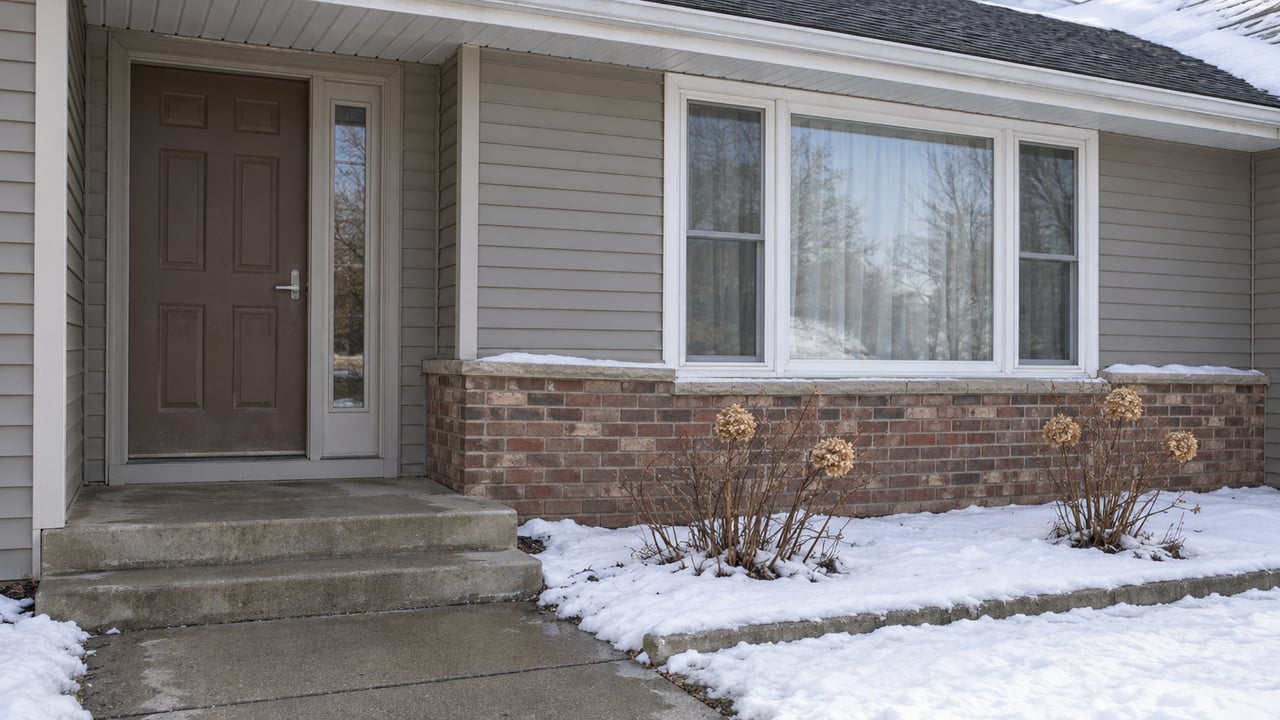
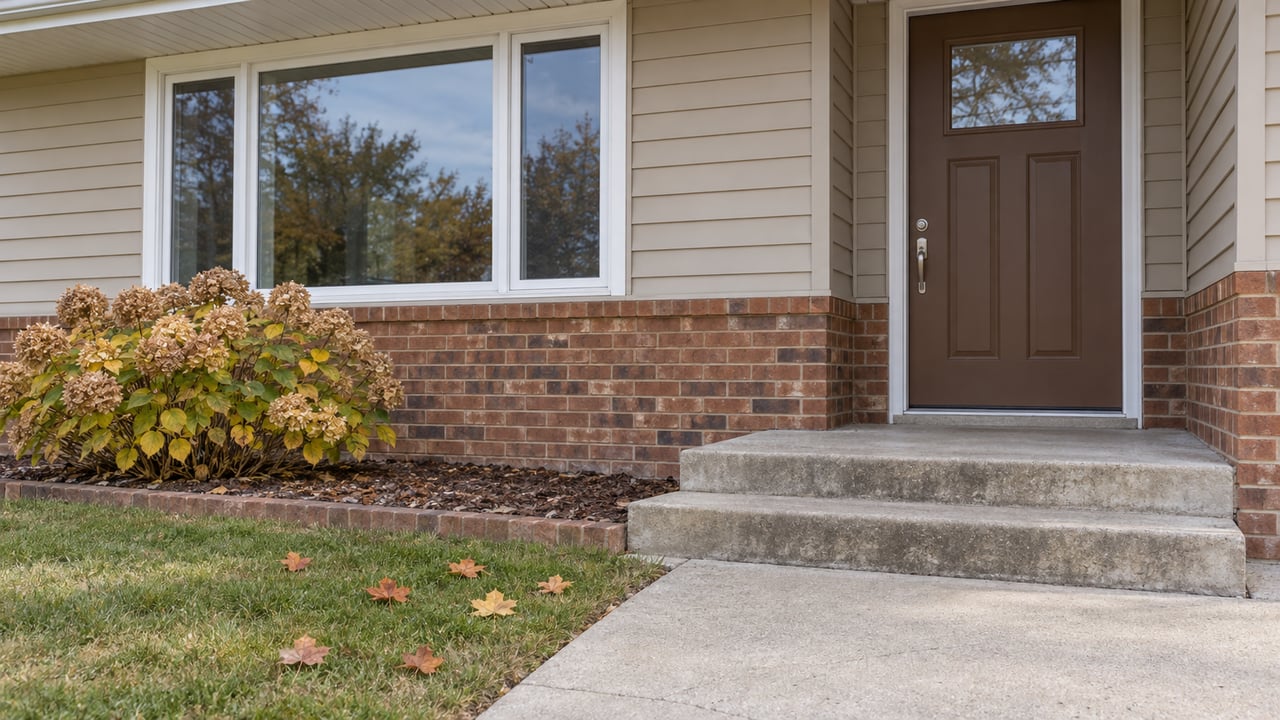
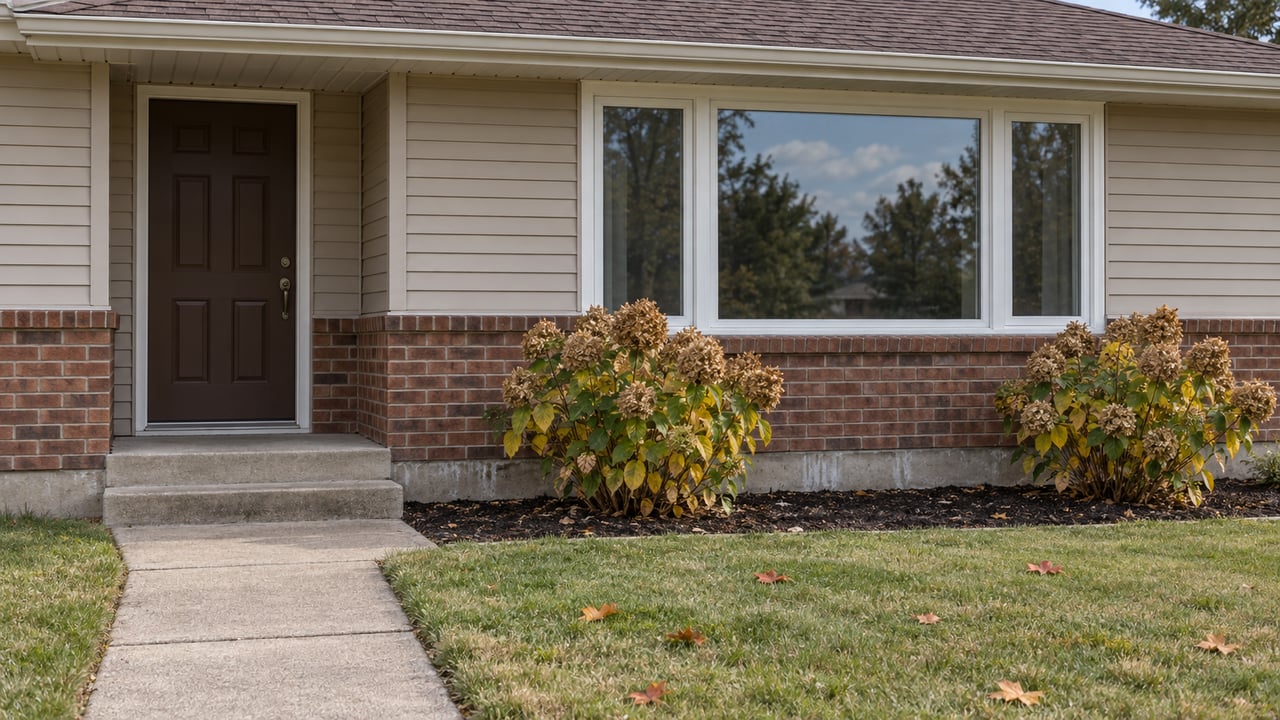
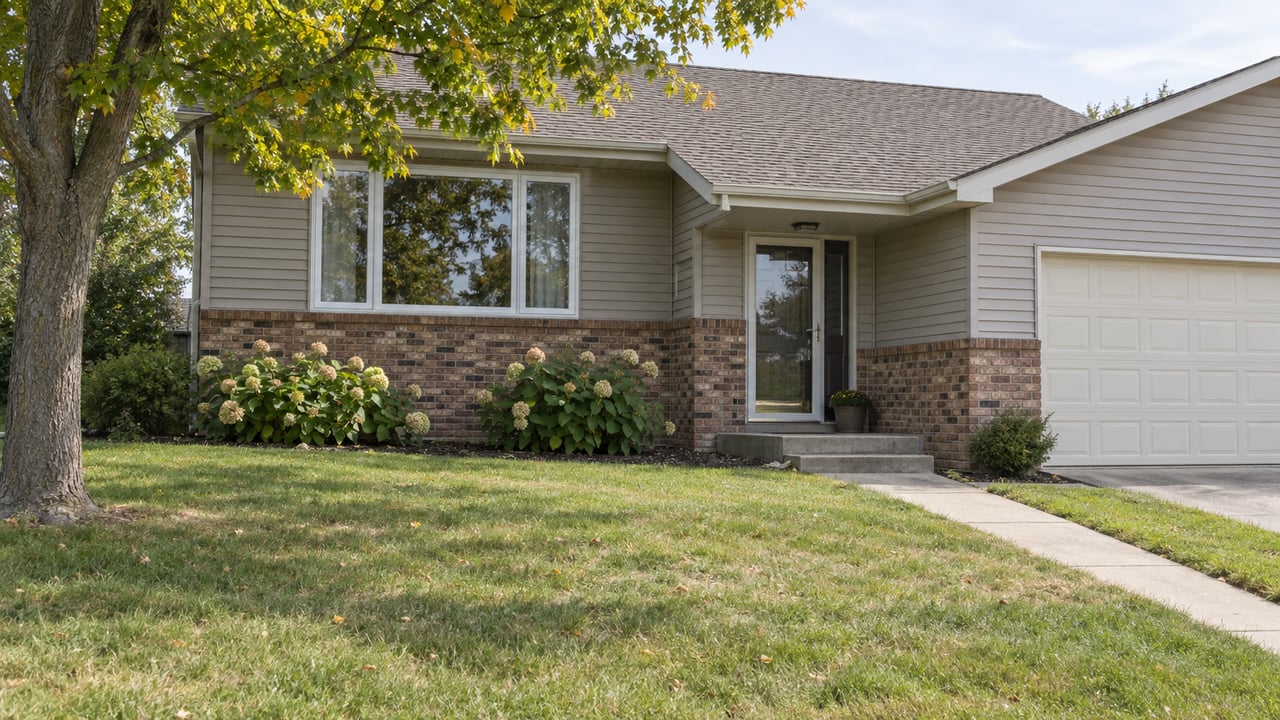
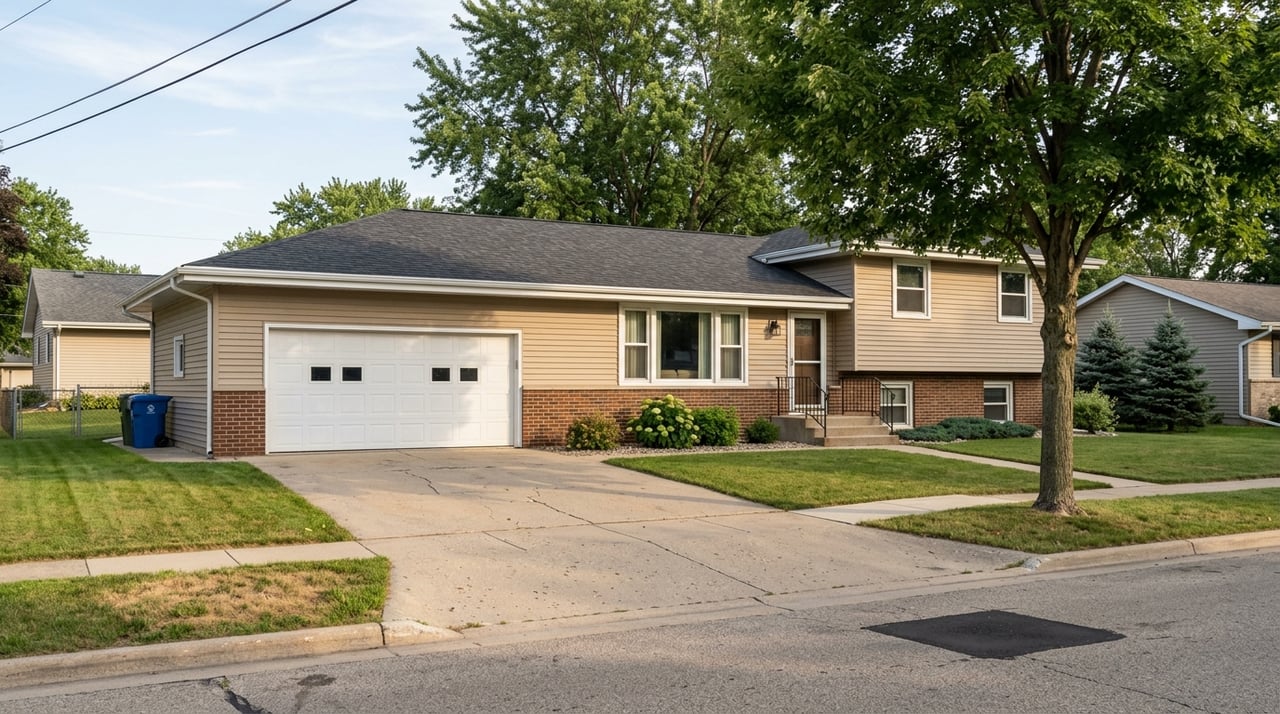
Outside the center, the housing pattern changes. The chamber notes that later growth introduced ranch homes on curving streets and cul-de-sacs, while newer development on the east and northwest edges includes larger homes. Townhomes, twin homes, and apartments are also part of the local housing mix.
That variety is useful because it gives you options depending on what matters most. You may prefer a lower-maintenance property, a more traditional single-family layout, or a newer home with a different site plan and neighborhood design. Northfield’s housing stock supports all of those preferences.
Who Northfield May Fit Best
Northfield can be a strong fit if you want a city where history, outdoor access, and community activity are all easy to see. It may especially appeal to buyers who value a walkable downtown, regular public events, trail access, and a housing market with both older and newer options.
It can also work well if you want regional access without giving up a smaller-city feel. With local amenities concentrated near the core and transit connections to the Twin Cities, Northfield offers a blend that is not always easy to find. The key is matching your priorities to the part of town and home style that best supports the way you want to live.
What to Consider Before You Move
As you explore Northfield, think beyond price and square footage. Consider how important walkability is to you, whether you want to be near downtown activity, and how often you plan to use trails, parks, or community spaces. The right fit often comes down to how your daily routine lines up with the city’s layout.
It also helps to compare housing styles by area. Older homes near the core may offer more character and proximity to downtown, while newer neighborhoods may offer a different layout and maintenance profile. A local guide can help you narrow those options based on your goals and timeline.
If you are considering a move to Northfield or comparing communities across southern Minnesota, working with an experienced local team can make the search more practical and less stressful. RE/MAX Venture offers hands-on guidance to help you evaluate neighborhoods, home styles, and market opportunities with confidence.
FAQs
What is downtown Northfield like for daily living?
- Downtown Northfield is a historic mixed-use area where you can reach places like groceries, restaurants, the library, the riverfront, and the transit hub on foot, especially around Division Street and Bridge Square.
What outdoor amenities does Northfield offer residents?
- Northfield offers more than 30 city parks, multiple recreational trails, riverfront access, the planned Mill Towns State Trail connection, and nearby natural spaces like Cowling Arboretum and St. Olaf Natural Lands.
What types of homes can you find in Northfield, Minnesota?
- Northfield includes older homes near the historic core, restored houses, ranch homes in later neighborhoods, newer homes on the edges of town, plus townhomes, twin homes, and apartments.
How do colleges affect living in Northfield?
- Carleton College and St. Olaf College add concerts, recitals, athletic events, and other activity to the community while Northfield still maintains a broader city identity beyond the campuses.
Is Northfield convenient for commuting to the Twin Cities?
- Yes. The city says Northfield is less than 45 miles from Minneapolis and St. Paul and is served by daily Northfield Metro Express bus service to the Twin Cities.