Buying your first home in Rochester can feel exciting and overwhelming at the same time. You might be wondering if prices are within reach, how fast homes sell, or which loan programs can help you get over the finish line. In this guide, you’ll learn what homes typically cost, how local financing and assistance work, the steps to buy, and what to expect with timing and fees. Let’s dive in.
Rochester market at a glance
Rochester’s median sale price sits in the mid $300ks based on recent data, with reports showing roughly 31 to 61 days from listing to pending or closing depending on which metric you use. Redfin’s February 2026 snapshot pegs the median sale price near $345,000 with a median 61 days on market and a sale-to-list ratio around 99%. Zillow reports a typical home value near $334,408 with a median days-to-pending around 31 days as of late February 2026. Realtor.com’s seller-side view often shows a higher median listing price, recently around $399,900, which reflects asking prices rather than final sales.
What this means for you: expect many homes to sell close to list price, and plan to act promptly when you find the right fit. Days on market vary by property type, price point, and condition.
What you can buy on a starter budget
Condos and townhomes
If you want the lowest entry price, you’ll often find it with condos and smaller attached townhomes. In and near downtown, typical values trend lower than many suburban areas, and some central neighborhoods show values in the low $200ks. This can be a smart path if you value a simpler lifestyle and want to conserve cash.
Small single-family homes
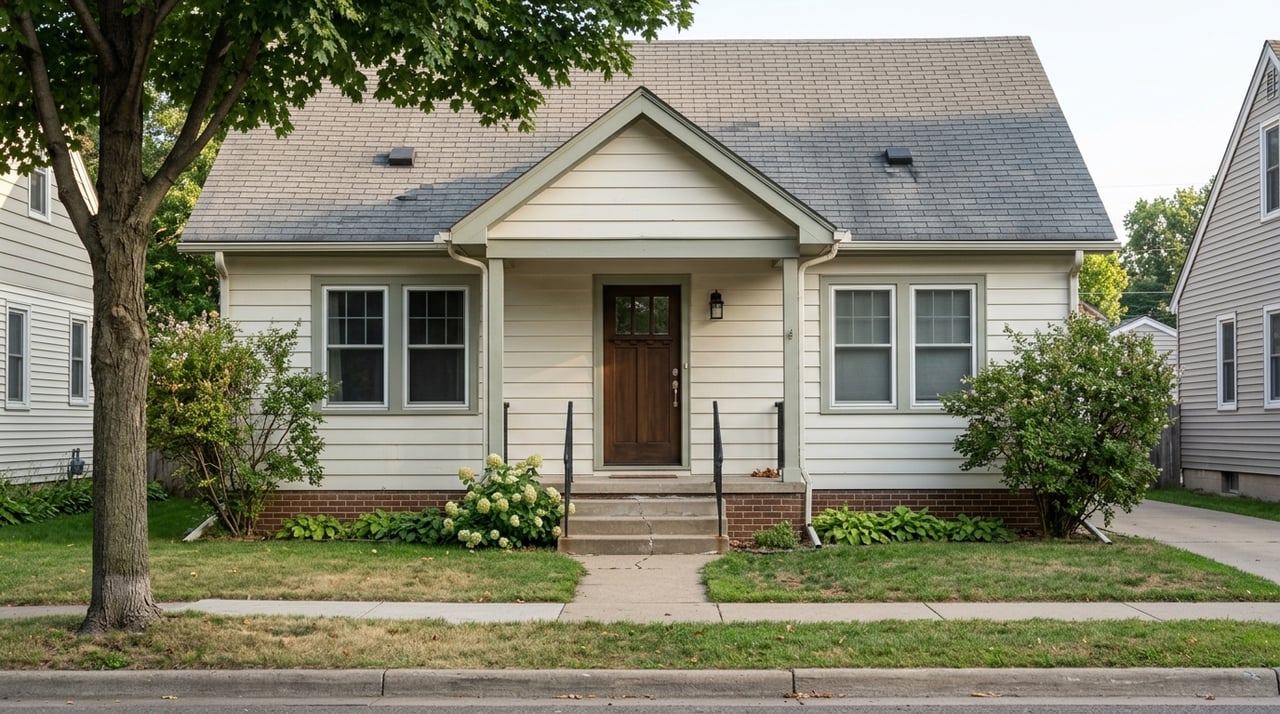
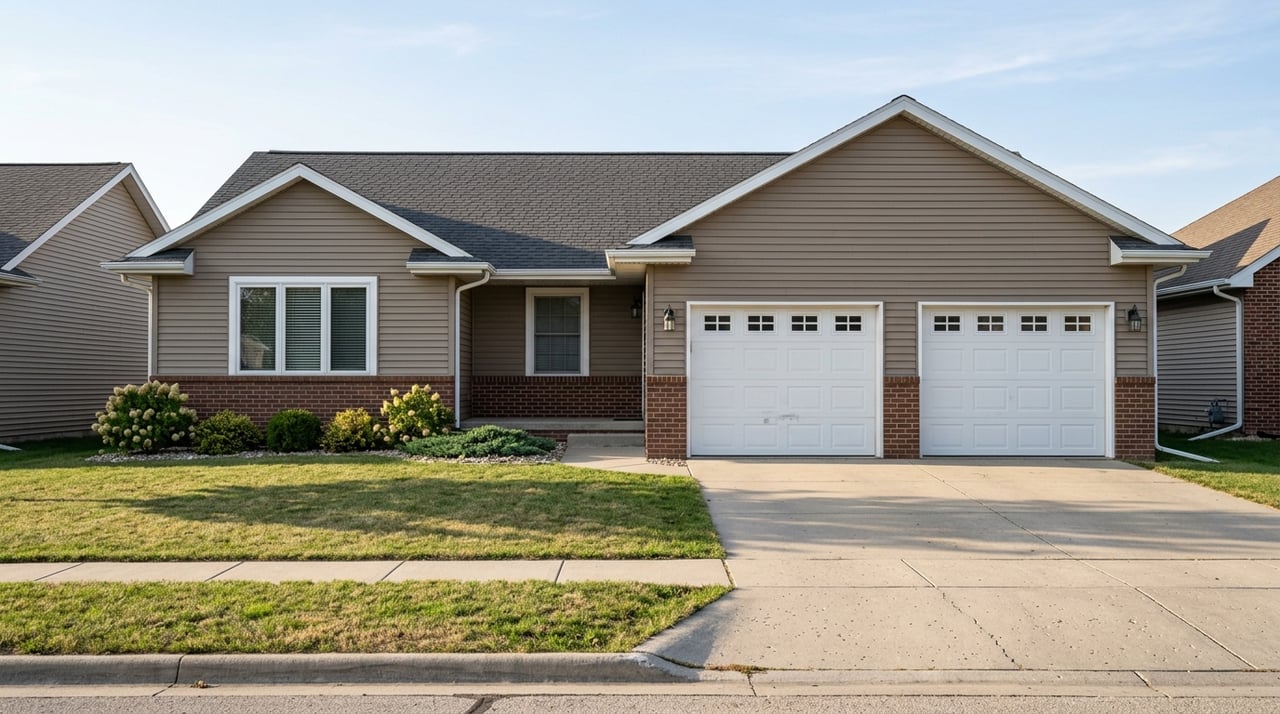
Starter single-family homes and ramblers in Rochester commonly list and sell from the mid $200ks to the mid $300ks. Well-located three-bedroom homes often trade in the upper mid $200ks to mid $300ks, depending on condition and exact neighborhood. If you want a yard and room to grow, this is the sweet spot for many first-time buyers.
Entry-level new construction
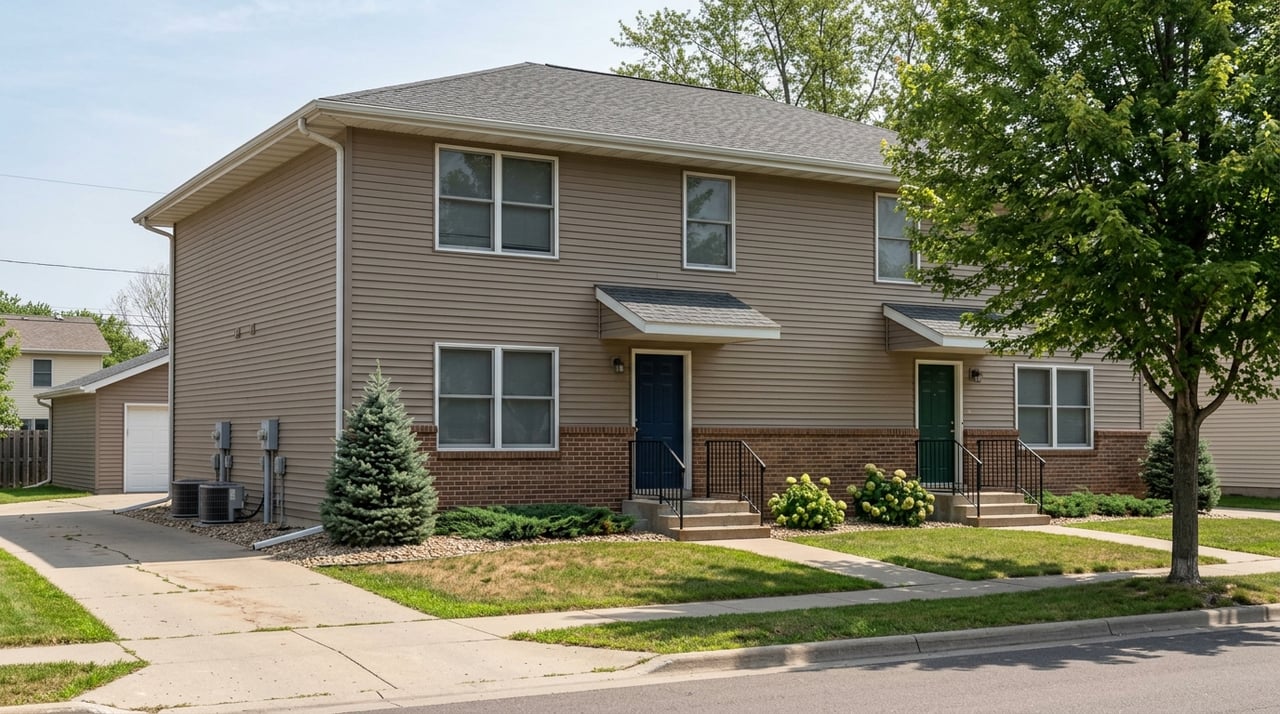
Newer paired homes and starter lots have been appearing through city and county partnerships, frequently in the $340k to $380k range. These can offer modern layouts and energy efficiency while still landing near first-time budgets, especially when combined with down payment assistance.
Prices change quickly, so confirm current numbers as you shop. Your agent can pull recent comparable sales to dial in a realistic target.
How to finance your first home
Popular loan types explained
- Conventional low-down-payment: As low as 3 percent down for qualifying borrowers. Monthly mortgage insurance applies until you reach enough equity.
- FHA: Typically 3.5 percent down for qualified borrowers, with flexible credit guidelines. FHA has property standards; your lender can explain how those apply.
- VA: For eligible veterans and service members, often with no down payment required.
- USDA: Zero-down options in eligible outlying areas; check location and income limits with your lender.
If you are new to the process, a quick lender conversation can clarify your best-fit option based on credit, income, and target price.
Minnesota Housing Start Up and Step Up
Minnesota Housing offers the Start Up (first-time buyer) and Step Up (repeat buyer) programs, including down payment and closing cost loans up to $18,000 for eligible borrowers. Income and purchase limits apply by county, and most borrowers must complete an approved homebuyer education course. You can review program details and find participating lenders on the Minnesota Housing homeownership page.
Minnesota Housing also launched a First-Generation Homebuyer Loan in 2024. The agency reports that the initial statewide funds were exhausted and the program is closed to new commitments as of December 19, 2024. Check for updates on the First-Generation Homebuyer program page and with local lenders, since community funds may reopen or change.
Local assistance: Olmsted County GAIN and First Homes
- Olmsted County GAIN: The county’s GAIN program helps catalyze lower-priced, owner-occupied homes. GAIN home-and-lot packages are intended to sell under $350,000 and may be paired with down payment assistance or community land trust options. Review eligibility and how projects are structured on the Olmsted County GAIN page.
- First Homes Community Land Trust (CLT): This Rochester nonprofit helps income-qualified buyers purchase homes at a lower price by keeping land in trust, which supports long-term affordability. Explore how CLT ownership works and whether you qualify at First Homes.
These programs can reduce your upfront cash and monthly payment. Always confirm current funding and eligibility early in your search.
Step-by-step buying timeline
Set your budget and check credit. Pull your credit reports and outline a comfortable monthly payment target that includes taxes and insurance.
Talk to 2–3 lenders and get preapproved. A strong, written preapproval helps your offer stand out.
Take homebuyer education if using Minnesota Housing or many DPA programs. Minnesota Housing typically requires at least one borrower to complete an approved course. Details are on the Minnesota Housing site.
Tour homes and refine your criteria. Compare neighborhoods, commute times, and housing types. Your agent will track new listings and set showing plans quickly.
Make an offer with thoughtful contingencies. Keep a general home inspection contingency in most cases. Remember that an appraisal is for the lender’s valuation, while an inspection helps you evaluate condition. For a plain-English overview, see FHA’s summary of inspection versus appraisal topics.
Lock your loan and review your Loan Estimate. Compare rates, total costs, and monthly payment. At least three business days before closing, you will receive a Closing Disclosure with final figures. The CFPB’s Owning a Home explains these forms.
Complete underwriting and appraisal. Respond quickly to lender requests and schedule any follow-up inspections if needed.
Close and get the keys. From accepted offer to closing, plan on roughly 30 to 45 days in many cases. Market speed and appraisal turn times can shift this window.
What will it cost upfront?
- Down payment: Plan for 3 to 5 percent down for many conventional products, or 3.5 percent for typical FHA. VA and USDA can offer zero-down options if you qualify.
- Closing costs: Budget roughly 1 to 4 percent of the purchase price to cover lender fees, title insurance, appraisal, taxes, insurance, and escrow deposits. State-by-state analyses, including Minnesota, often land in the low thousands for buyers. See Bankrate’s overview of closing costs in Minnesota.
- Inspections: A general home inspection commonly runs a few hundred dollars. Targeted inspections, like radon or septic, are additional. Skipping inspections can speed up a deal but increases risk. The FHA resource on home inspection topics is a helpful primer.
If you use Minnesota Housing, its down payment and closing cost loans up to $18,000 can reduce your cash to close if you are eligible.
Local factors that affect your payment
- Property taxes: Olmsted County shared 2026 budget information that included a 6.8 percent levy increase in planning. Tax levies and local budgets can change each year, so make sure your monthly estimate includes a realistic property tax escrow. You can read the county’s update here: Olmsted County budget information.
- Employment and demand: Mayo Clinic’s ongoing growth continues to support housing demand in the Rochester area, including relocation activity. Local reporting noted 2025 as another strong year with growth across the board. See the Post Bulletin’s coverage for context: Mayo Clinic growth in 2025.
- Market speed: Recent snapshots show a median sale-to-list ratio near 99 percent and days-on-market measures ranging from about a month to two months, depending on the metric. That mix means you should be ready to tour quickly and submit a clean offer when a home fits.
Smart offer strategies in Rochester
- Be truly preapproved. Ask your lender for a fully underwritten preapproval if possible so you can close faster and inspire seller confidence.
- Right-size contingencies. Keep inspection protection, but consider a shorter inspection window when appropriate. Balance risk with speed.
- Ask about seller credits. If you need help with closing costs, a seller credit can be negotiated in some cases. Your lender will confirm allowable amounts.
- Watch list vs. sold data. Pricing to list can be higher than final sale prices in some segments. Your agent’s review of recent sales will help you avoid overpaying.
Ready to start?
You deserve a steady, experienced guide for each step, from financing to inspections to a smooth closing. If you are exploring Rochester or nearby communities in southern Minnesota, we are ready to help you compare options, line up trusted lenders, and move with confidence. Reach out to RE/MAX Venture to start your first-home plan today.
FAQs
How much should I save to buy a first home in Rochester?
- Plan for a down payment of 3 to 5 percent for many conventional loans or 3.5 percent for typical FHA, plus closing costs of roughly 1 to 4 percent of the purchase price; Minnesota Housing’s assistance can help reduce upfront cash if you qualify.
What is the typical timeline from offer to close in Rochester, MN?
- Many purchases take about 30 to 45 days from an accepted offer to closing, depending on appraisal timing, underwriting, and how quickly documents are completed.
Are there down payment assistance options in Olmsted County?
- Yes; Minnesota Housing offers down payment and closing cost loans up to $18,000 for eligible buyers, and local options include Olmsted County’s GAIN program and the First Homes Community Land Trust.
Do I still need a home inspection if I am getting an appraisal?
- Yes; an appraisal estimates value for the lender, while a home inspection evaluates the home’s condition for you and can reveal issues to address or negotiate.
How competitive is the Rochester housing market for first-time buyers?
- It is somewhat competitive, with many homes selling close to list price and typical timelines ranging from about one to two months depending on the measure, so being preapproved and ready to act helps.