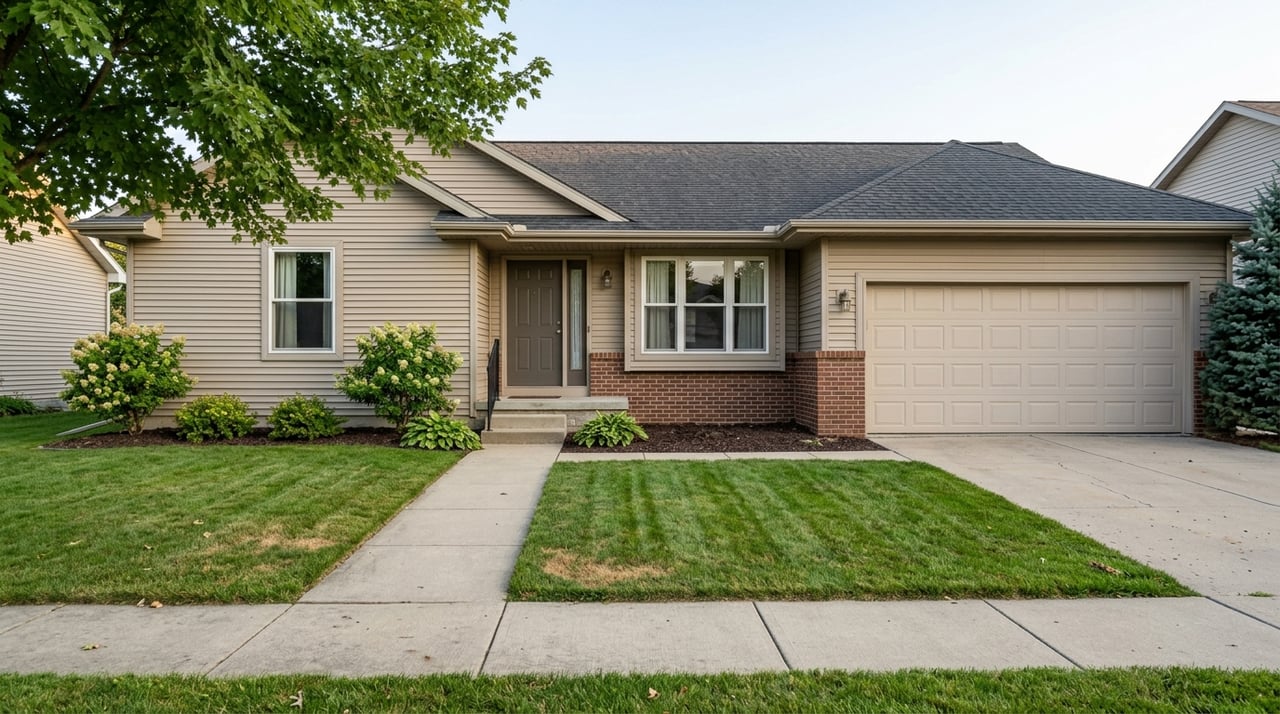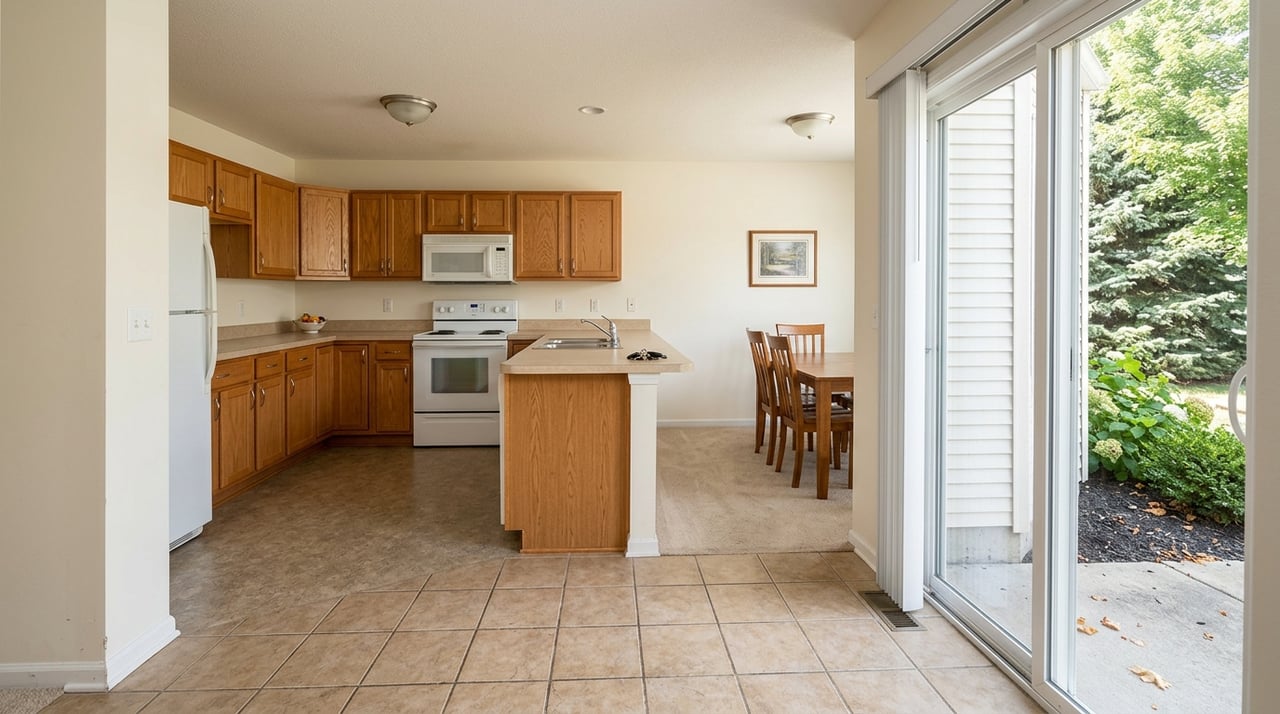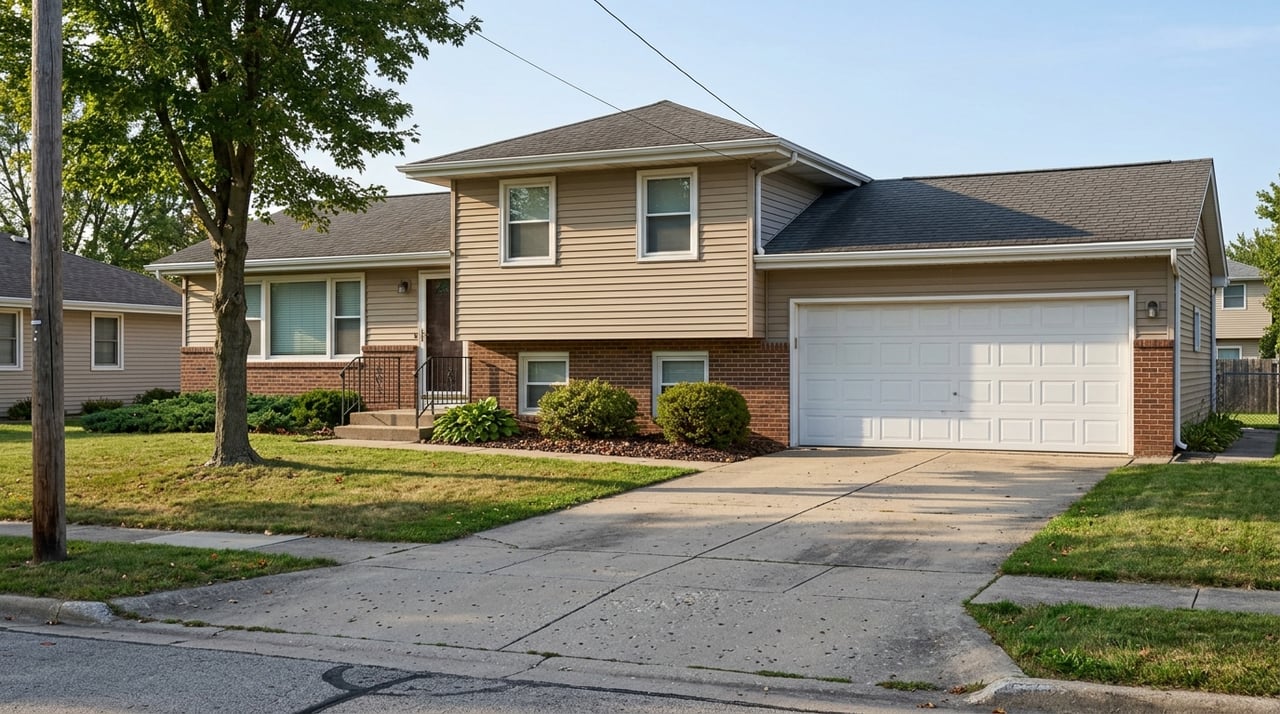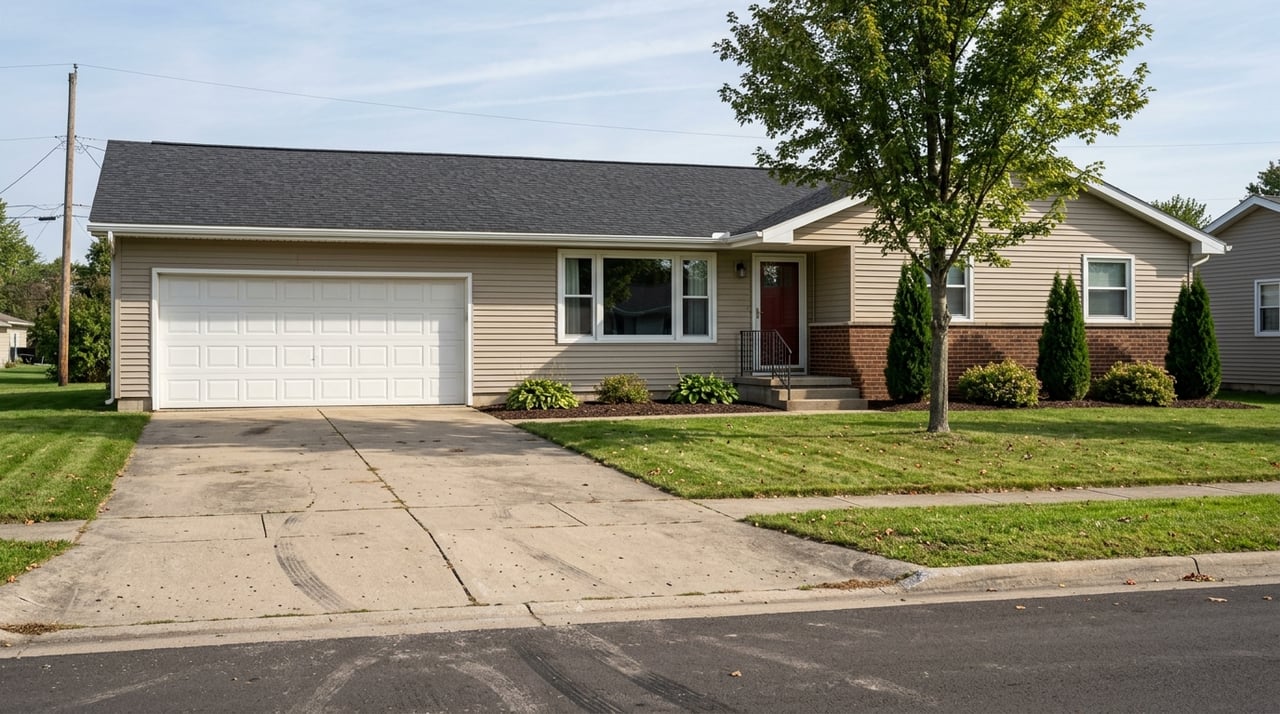
Trying to choose between Mankato and a smaller town nearby? It is a common question, especially if you want the right mix of convenience, home options, and day-to-day comfort. The good news is that this decision is usually less about right or wrong and more about which lifestyle fits you best. If you are weighing Mankato against places like North Mankato, St. Peter, or even Owatonna, this guide will help you sort through the tradeoffs. Let’s dive in.
Start With Your Daily Routine
A move works best when it matches how you actually live. If you want shorter in-town trips, more shopping and service options, and easier access to major destinations, Mankato stands out as the regional hub.
Greater Mankato describes the area as a center for education, healthcare, shopping, and downtown activity. That means more of your regular errands and appointments may stay close to home, which can make daily life feel simpler.
Smaller cities nearby offer a different kind of appeal. You may trade some amenity density for a quieter small-city feel, a more ownership-heavy housing mix, or a community with its own identity outside the Mankato core.
Mankato: Best for Convenience
Mankato had an estimated 46,459 residents in 2024, with a mean commute of 13.9 minutes. Its Zillow home value was $304,881, and the owner-occupied housing rate was 50.0%.
Those numbers help show what Mankato offers. You get a larger city by southern Minnesota standards, short commutes, and a housing mix that includes a significant share of rentals along with owner-occupied homes.
For many buyers, the biggest draw is convenience. Mankato Transit offers fixed routes, Kato Flex, and paratransit, with connections to downtown, River Hills Mall, Minnesota State University, and North Mankato.
If you want transportation options beyond driving everywhere, that matters. So does the fact that Mankato is connected to a wide range of services, from healthcare providers to shopping destinations.
North Mankato: Close to the Action
North Mankato is often the first place buyers compare with Mankato. It had an estimated 14,142 residents in 2024, a mean commute of 14.8 minutes, a Zillow home value of $300,893, and a 69.7% owner-occupied rate.
That price point is very close to Mankato. So if you are looking to save a large amount just by crossing into a smaller city, the data suggests you may not see a dramatic difference.
What you may get instead is a different feel. North Mankato is the closest smaller-city alternative for buyers who still want to stay in the Mankato orbit while living in a place with a more owner-occupied housing pattern.
This can be a strong fit if you want regular access to Mankato’s destinations but prefer a smaller-city setting at home. It is less of a major lifestyle break and more of a slight shift in pace.
St. Peter: Smaller City, Regional Access
St. Peter offers another close-in option. It had an estimated 12,456 residents in 2024, a mean commute of 15.4 minutes, a Zillow home value of $294,105, and a 64.9% owner-occupied rate.
Like North Mankato, St. Peter is priced somewhat below Mankato, but not by a huge margin. That is an important reality check if price is your main reason for looking outside Mankato.
St. Peter’s 2024 housing study says the city has been the main source of housing growth in its market area, with much of the recent development centered on multifamily rental projects. For you as a buyer, that points to meaningful housing choice in a smaller-city setting tied to the broader Mankato economy.
If you want a smaller place without feeling disconnected from regional jobs and services, St. Peter deserves a close look. It sits in a middle ground between Mankato’s hub-like convenience and a more separate small-city identity.
Owatonna: A Separate Small-City Lifestyle
Owatonna is a different comparison. It had an estimated 26,633 residents in 2024, a mean commute of 17.7 minutes, a Zillow home value of $294,000, and a 75.6% owner-occupied rate.
Unlike North Mankato or St. Peter, Owatonna is not just a nearby extension of Mankato life. It is better understood as a self-contained small city with its own downtown, employers, parks, and trails.
The Owatonna Area Chamber highlights a historic downtown, more than 700 acres of parkland, 175 miles of trails, and major employers including Federated Insurance, Viracon, Jostens, and Wenger Corporation. If you are drawn to a smaller-city identity rather than a Mankato-adjacent lifestyle, Owatonna offers a strong alternative.
This is not necessarily about giving something up. It is more about choosing a different center of gravity for your daily life.
Home Prices Are Closer Than You May Think
One of the biggest myths in this decision is that a smaller town will always mean a much cheaper home. Based on the research, that is not really the story here.
Current Zillow home values are tightly grouped:
- Mankato: $304,881
- North Mankato: $300,893
- St. Peter: $294,105
- Owatonna: $294,000
Those gaps are real, but they are not dramatic. In many cases, your choice may come down more to lifestyle, housing type, and pace of life than to a major price break.
Market Speed Can Feel Different
Even when prices are similar, the shopping experience may not be. Zillow shows Mankato homes going pending in about 23 days, compared with about 71 days in Owatonna.
That suggests Mankato is moving faster. For you, that could mean needing to act more quickly when the right home hits the market.
A slower pace in another city may create more room to compare options. Of course, every price range and property type can behave differently, but the broader pattern is worth keeping in mind.
Think Beyond Commute Minutes
Commute time matters, but it is not the only transportation question. Mankato’s average commute is already short, so the bigger issue may be how you want to get around once you live there.
MnDOT describes Highway 14 as a major east-west corridor linking Mankato and North Mankato with other regional centers, including Owatonna. Land to Air Express also connects Mankato and St. Peter to MSP and lists Owatonna as a stop.
Inside Mankato, the local transit system adds another layer of convenience. In smaller cities, driving and regional highway access may play a larger role in your day-to-day routine.
So ask yourself a simple question: do you want more in-town transportation options, or are you comfortable relying more heavily on your car? That answer can help narrow your search quickly.
Ownership Mix Changes the Feel
Housing mix can shape how an area feels, even if you do not notice it right away. Mankato’s owner-occupied rate is 50.0%, while North Mankato is 69.7%, St. Peter is 64.9%, and Owatonna is 75.6%.
That points to a more renter-heavy and denser mix in Mankato. The smaller cities lean more toward owner-occupied housing, which may appeal to buyers who want that type of setting.
This does not mean one option is better than another. It simply helps explain why two places with similar home values can still feel very different once you start touring homes and driving through town.
How To Decide What Fits You Best
If you are still unsure, focus on the tradeoff that matters most to you. In this comparison, the clearest dividing line is not cheaper versus more expensive.
It is amenity density and transit versus small-city feel and ownership-heavy housing patterns. Once you see that, the decision often becomes easier.
Here is a practical way to think about it:
- Choose Mankato if you want the region’s biggest concentration of shopping, healthcare, downtown activity, and local transit.
- Choose North Mankato if you want to stay very close to Mankato while living in a smaller-city setting.
- Choose St. Peter if you want a smaller city with access to the broader Mankato economy and a growing housing mix.
- Choose Owatonna if you want a separate small-city lifestyle with its own downtown, employers, parks, and trails.
A Local Perspective Matters
When you compare cities that are this close in price, the right choice often comes down to details that do not show up in a quick online search. Your commute pattern, preferred home style, and daily destinations can all change which town feels like the best fit.
That is why it helps to look at homes through the lens of your real life, not just headline numbers. A practical, local comparison can save you time and help you buy with more confidence.
If you are weighing Mankato against Owatonna or another southern Minnesota town, working with a local team can help you sort through the tradeoffs and focus on the options that truly match your goals. When you are ready to talk through your next move, connect with RE/MAX Venture.
FAQs
Is Mankato much more expensive than smaller towns nearby?
- Not based on the current data. Zillow home values are fairly close among Mankato, North Mankato, St. Peter, and Owatonna.
Is North Mankato a good alternative to living in Mankato?
- North Mankato is the closest smaller-city substitute for buyers who want to remain near Mankato while choosing a more owner-occupied setting.
Does St. Peter offer good housing choice for buyers?
- St. Peter’s 2024 housing study says the city has been a major source of housing growth in its market area, with much recent development focused on multifamily rental projects.
What makes Owatonna different from Mankato-area options?
- Owatonna functions more like a self-contained small city, with its own downtown, employers, parks, and trail system rather than being a close-in Mankato alternative.
Is transit better in Mankato than in nearby smaller towns?
- Mankato offers fixed-route transit, Kato Flex, and paratransit, while the smaller-city comparison tends to rely more on driving and regional highway access.
Should I choose based on commute time alone?
- Probably not. Commute times are relatively short across these cities, so your preferred lifestyle, transportation options, and housing mix may be more important factors.