Wondering what life in Austin, Minnesota actually feels like once you get past the map, price point, and a few headline attractions? If you are thinking about a move, you probably want more than surface-level facts. You want to know how the city functions day to day, what kinds of homes you will find, and whether the lifestyle fits the way you want to live. This guide breaks down what living in Austin looks like beyond the basics so you can picture your routine with more confidence. Let’s dive in.
Austin Has a Compact, Everyday-Friendly Feel
Austin is home to about 26,690 residents, which puts it in an interesting middle ground for southern Minnesota. It is roughly similar in size to Owatonna, larger than Albert Lea, and much smaller than Rochester. That means you get a city with real amenities and major employers, but without the pace or scale of a larger metro.
For many buyers, that balance is a big part of Austin’s appeal. The city feels locally oriented and practical, with daily life shaped by work, school, errands, parks, and community events rather than long commutes or big-city sprawl. If you want a place that feels active but manageable, Austin stands out.
Major Employers Shape the City's Rhythm
When you live in Austin, some of the city’s most important institutions are easy to notice. Hormel Foods has its world headquarters here, with 1,400 team members at headquarters, and the Austin plant remains part of the local economic picture. Mayo Clinic Health System, Riverland Community College, The Hormel Institute, and Austin Public Schools also play a major role in the city’s day-to-day life.
Austin Public Schools serves about 5,200 students and employs more than 800 staff. Riverland Community College has an Austin campus and offers more than 50 career programs. The Hormel Institute is a University of Minnesota biomedical research center, which adds another layer to the city’s identity.
What does that mean for you as a resident? It means Austin is not built around just one kind of lifestyle. You will find a mix of healthcare, education, research, manufacturing, and local service activity that gives the city a steady, lived-in feel.
Newcomers Can Find a Real Welcome
Moving to a new city is easier when there is a clear effort to help people settle in. In Austin, the Austin Area Chamber supports newcomer events and a Community Concierge program. Those programs are backed by local institutions including Hormel Foods, Mayo Clinic Health System, Riverland, and other area businesses.
That tells you something important about the community. Austin appears to take resident connection seriously, especially for people arriving from outside the area. If you are relocating for work, family, or a lifestyle change, that kind of welcome culture can make your first few months feel much easier.
Outdoor Life Is Part of the Routine
One of the strongest lifestyle advantages in Austin is how easy it is to build outdoor time into a normal week. The city park system includes neighborhood parks, destination parks, a dog park, disc golf, and several multi-use trail connections. You do not have to plan a big weekend trip just to get outside.
Local trail options include the Mill Pond Path, Cedar River Bike Trail, East Side Lake Bike Trail, Todd Park Bike Trail, and Wildwood Park Trail. These kinds of connections help make parks and recreation feel like part of everyday life, not just something you do once in a while.
Jay C. Hormel Nature Center Adds More Variety
The Jay C. Hormel Nature Center is one of Austin’s standout amenities. It includes a free interpretive center and 9 miles of trails, which gives residents a flexible option for walking, exploring, or spending time outdoors close to home.
For many buyers, amenities like this matter because they support the kind of routine people actually want. You may be looking for a morning walk, a place to unwind after work, or an easy weekend outing. Austin offers options that are accessible and consistent.
Regional Trail Access Expands Your Options
Austin also connects to the Shooting Star State Trail. This paved trail runs for about 29 miles between LeRoy and Austin and connects to the Nature Center. If biking, walking, or longer outdoor routes matter to you, that adds another practical lifestyle benefit.
Dining and Entertainment Stay Local and Practical
Austin may not position itself as a major dining destination, but it offers more variety than some buyers expect. AustinMN.com lists more than 60 dining options and restaurants, including American food, ethnic food, coffee and bakeries, bars and grills, and breweries.
That matters because it reflects the kind of convenience many people want in everyday life. You can keep your routine local and still have a good range of casual choices. In a city this size, that kind of variety can make a real difference.
Signature Attractions Add Personality
Austin has a few well-known attractions that give the city a recognizable identity. The SPAM Museum, located at 101 3rd Avenue NE, offers free admission and remains one of the city’s most distinctive amenities.
There is also an active local arts and event scene. Austin Area Arts hosts the free, two-day ArtWorks Festival in downtown Austin each August. The Cedar River Farmers Market operates seasonally at 501 Oakland Ave E, and the Freedom Festival is a long-running Fourth of July tradition at Bandshell Community Park.
These events help round out the city’s personality. They create the kind of recurring local rhythm that can make a place feel familiar and connected over time.
Housing Options Cover More Than One Style
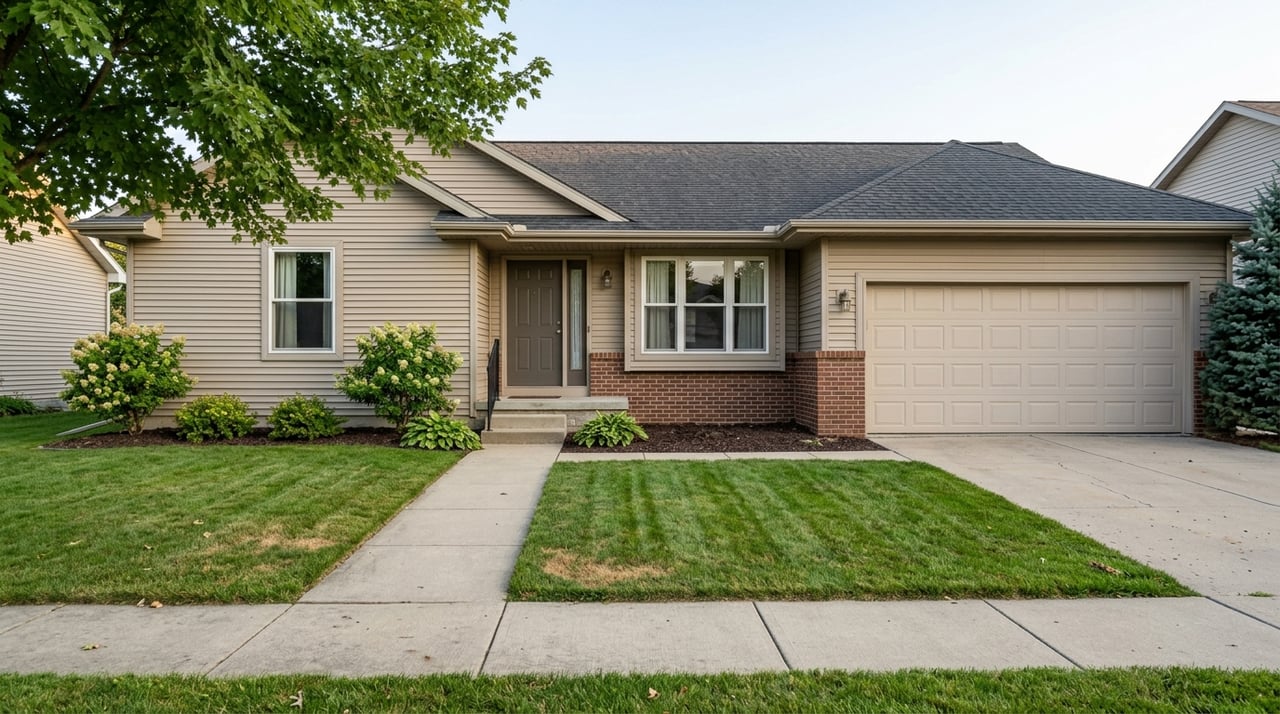
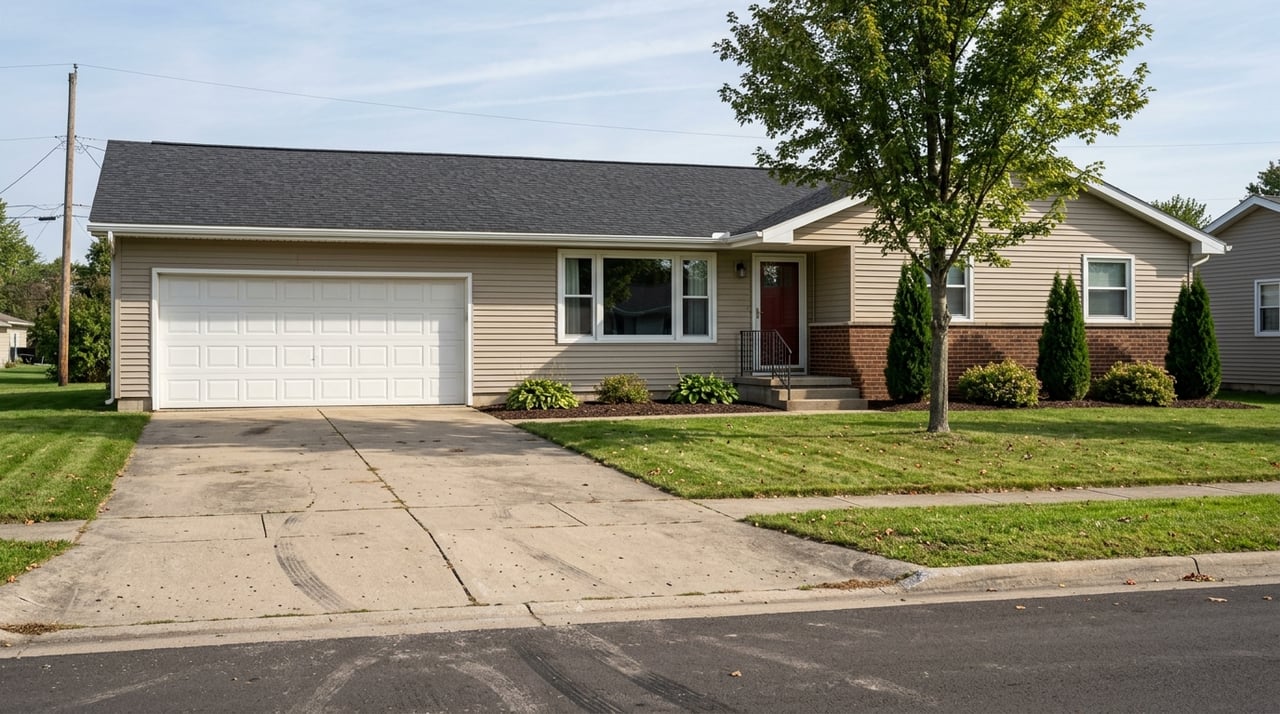
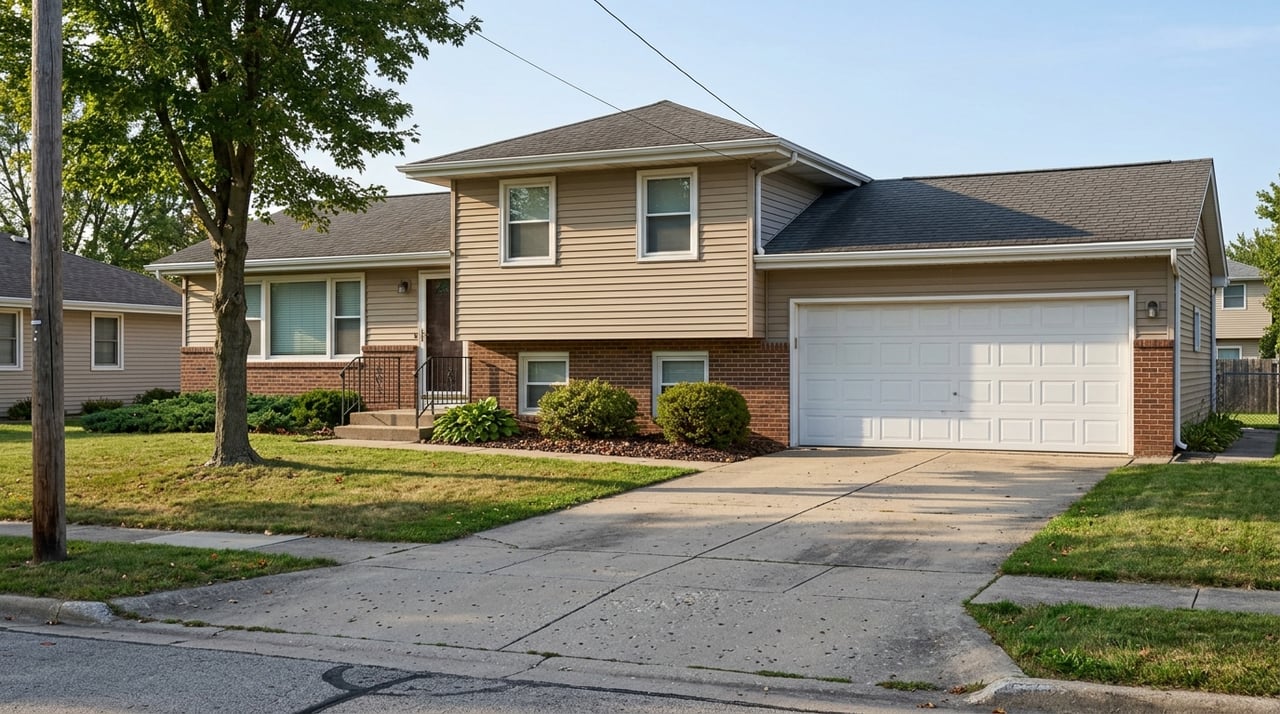
If you are house hunting in Austin, one of the most useful things to know is that the city offers more than a single neighborhood pattern. According to Austin’s 2045 comprehensive plan, suburban low-density areas are mostly made up of single-family detached homes on half-acre to quarter-acre lots. That may appeal to buyers who want a more traditional subdivision feel, more yard space, or a quieter residential layout.
The city also includes traditional moderate-density areas. These can feature twin homes, townhomes, pocket neighborhoods, and small apartment or condo buildings. If you want lower-maintenance living or a different layout than a standard single-family house, Austin has some variety built into its housing stock.
Downtown and Older Areas Offer a Different Feel
Austin’s comprehensive plan also points to mixed-use areas concentrated downtown and along the 18th Avenue corridor. For buyers who want a more in-town setting, these areas can offer an alternative to conventional suburban development.
The plan describes downtown and adjacent older neighborhoods as having an intimate, human-scale character. That can appeal to buyers who want a setting with a little more closeness to shops, services, or community destinations. If your goal is walkability and a more established in-town atmosphere, those areas may be worth a closer look.
Austin Stays Relatively Affordable
Affordability is one of the clearest reasons Austin gets attention from buyers across southern Minnesota. Redfin reported a median sale price of $169,500 in Austin in March 2026. That compares with $200,000 in Albert Lea, $277,450 in Owatonna, and $330,000 in Rochester.
For buyers, those numbers help frame Austin’s position in the region. You may be able to stretch your budget further here than in some nearby markets while still living in a city with established employers, parks, events, and a range of housing types. That combination is not always easy to find.
What Daily Life in Austin Really Feels Like
When you put the pieces together, Austin offers a practical and balanced lifestyle. It is large enough to support jobs, schools, recreation, dining options, and community events, but small enough to stay easy to navigate. You can build a routine around work, errands, outdoor time, and local activities without feeling like everything requires extra planning.
That does not mean every part of Austin feels the same. Some buyers may prefer older in-town housing near downtown activity, while others may want a newer low-density setting with a bigger lot. The good news is that Austin gives you more than one path to fit your lifestyle.
Who Austin May Fit Best
Austin can make sense for several kinds of buyers and movers, especially if you value practical livability over flash. It may be a strong fit if you are looking for:
- A southern Minnesota city with established local employers
- More attainable home prices compared with some nearby markets
- Easy access to parks, trails, and outdoor recreation
- A compact city where daily errands and routines feel manageable
- A mix of older in-town homes and more suburban residential options
If that sounds like what you have in mind, Austin is worth a serious look beyond the usual quick summary.
If you are comparing Austin with other southern Minnesota communities, having a local guide can make the decision much clearer. The team at RE/MAX Venture can help you understand market options, home styles, and what may fit your goals best.
FAQs
What is daily life like in Austin, Minnesota?
- Daily life in Austin tends to feel practical and locally focused, with routines shaped by major employers, schools, parks, trails, and community events rather than a big-city pace.
What outdoor amenities are available in Austin, Minnesota?
- Austin offers multiple parks, a dog park, disc golf, multi-use trails, the Jay C. Hormel Nature Center with 9 miles of trails, and access to the paved Shooting Star State Trail.
What types of homes can you find in Austin, Minnesota?
- Austin includes single-family homes in lower-density areas, along with twin homes, townhomes, pocket neighborhoods, and smaller apartment or condo options in moderate-density and mixed-use areas.
Is Austin, Minnesota affordable compared with nearby cities?
- Based on the March 2026 Redfin median sale price, Austin was more affordable than Albert Lea, Owatonna, and Rochester.
What makes Austin, Minnesota appealing to new residents?
- Austin combines a manageable city size, established local institutions, active parks and events, a range of housing options, and a newcomer support culture through chamber-led programs.