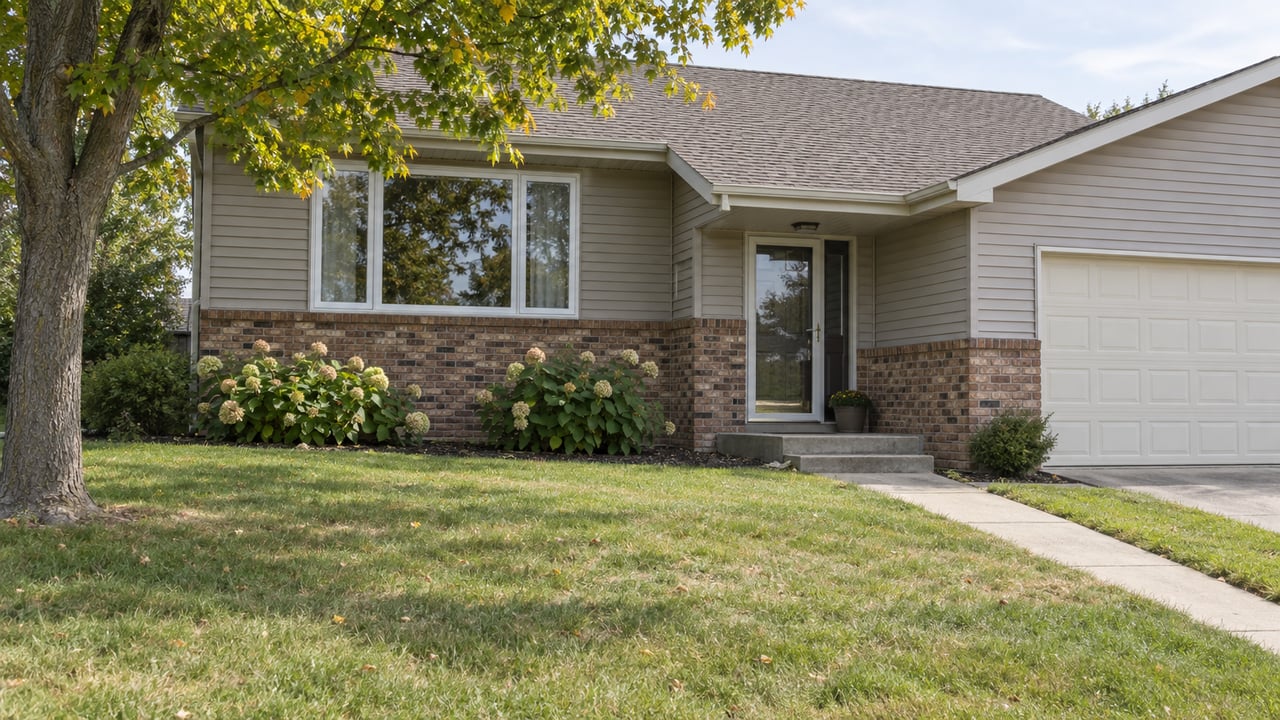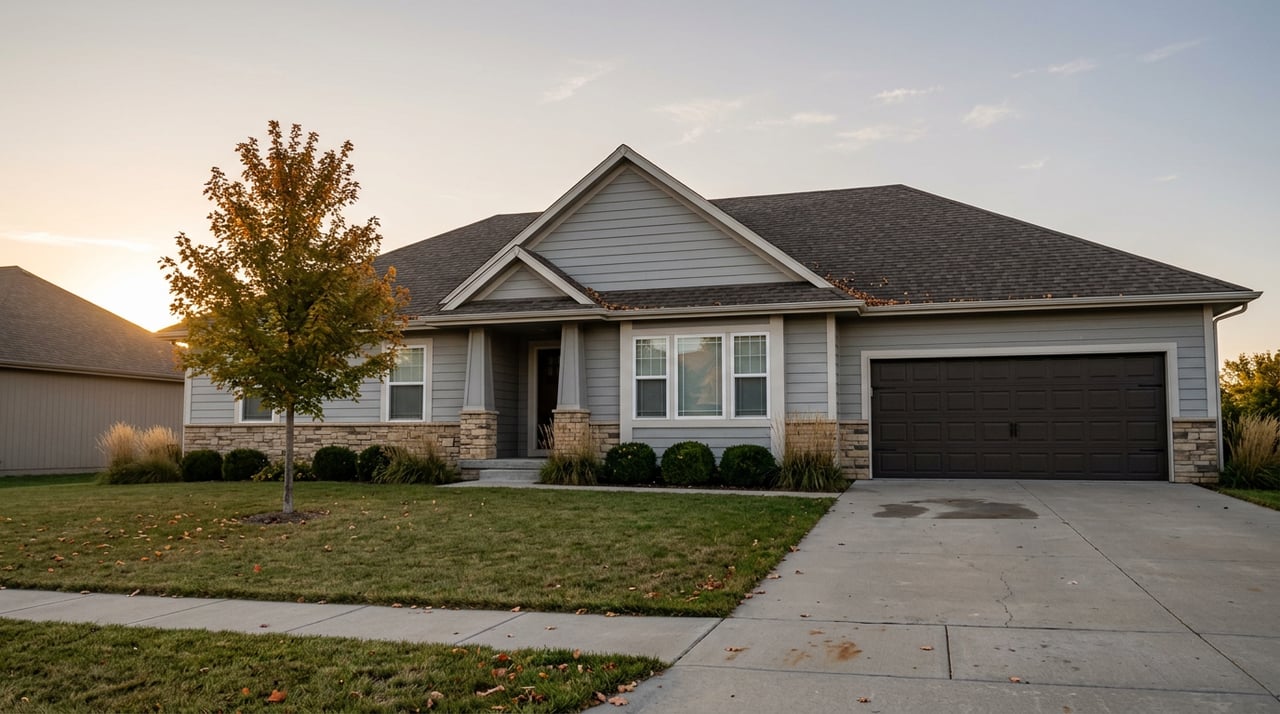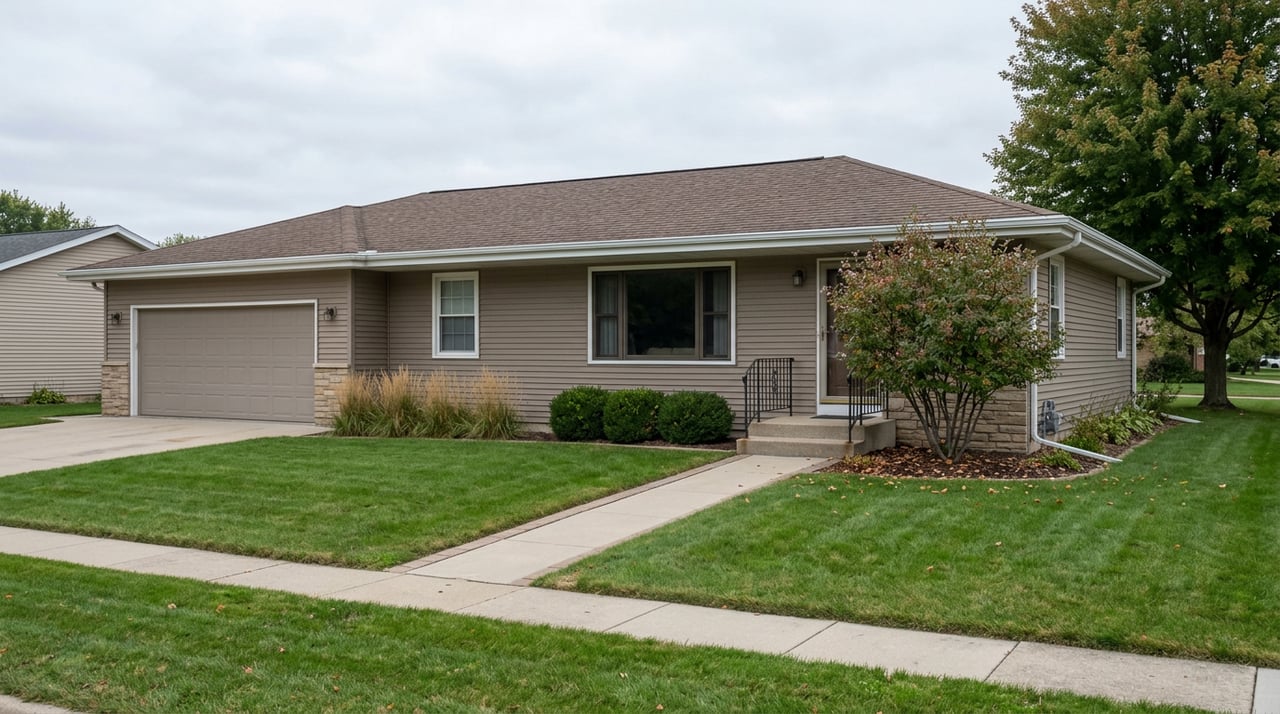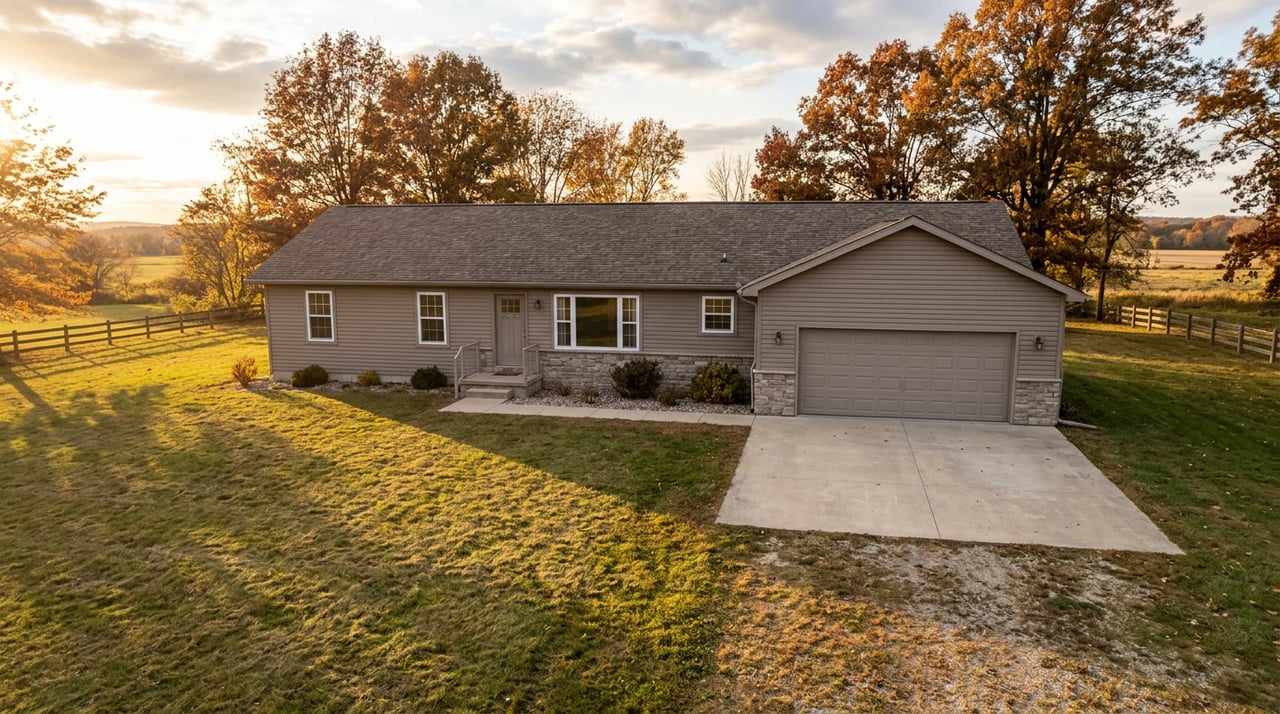
Picture a closing on a five-acre parcel somewhere between Owatonna and the county line. The buyer has already worried about the right things: the septic tank's age, the mound system's drain field, whether the old farmhouse needs a new roof before winter. Then, two days before the scheduled signing, the title company flags a missing well disclosure certificate. The deed cannot be recorded until it is fixed. The septic system, meanwhile, with its own documented history of a marginal inspection five years back, sails through on nothing more than a written statement from the seller.
That is not a hypothetical quirk. It is how Minnesota law is actually built, and it catches acreage buyers off guard more often than most people expect.
Two Disclosures, Two Very Different Amounts of Teeth
Minnesota requires two separate disclosures on any rural property with a private water source and an on-site sewage system: one for wells, one for septic. Both sound like the same category of paperwork. They are not enforced the same way, and the difference matters most on exactly the kind of acreage and hobby-farm parcels that define real estate outside Owatonna's city limits.
Well disclosure is governed by state statute, Minnesota Statutes section 103I.235. Before a seller can even sign a purchase agreement, they must disclose in writing the location and status of every well on the property, whether it is in use, not in use, or sealed. At closing, that disclosure gets converted into a well disclosure certificate, filed with the county recorder along with a $54 fee, and forwarded to the Minnesota Department of Health. If a seller fails to disclose a well they knew about, the buyer has six years from closing to bring a claim for the cost of sealing it plus attorney fees.
Here is the part most buyers never learn until it is their closing: the recorder is required by law to check for that certificate before the deed can be recorded. No certificate, no properly worded exemption statement on the deed, no recording. That is a title problem, and title problems stop closings cold.
Septic disclosure does not work that way. A seller still has to disclose what they know about the system's condition and compliance status, and if they are holding a prior inspection report, current law requires that they attach it rather than shrug and say they don't know. But there is no equivalent statute forcing the county recorder to verify any of it before the deed goes through. A septic problem discovered after closing is a contract dispute and a money question, not a reason the transfer itself gets held up. And the claim window is shorter: two years from closing, a third of the time buyers get on an undisclosed well.
| Well Disclosure | Septic Disclosure | |
|---|---|---|
| Governing law | Minn. Stat. 103I.235 | Minn. Stat. 115.55 |
| Filed at closing | Yes, with the county recorder | No statewide filing requirement |
| Blocks recording if missing | Yes | No |
| Buyer's claim window | 6 years | 2 years |
| Fee | $54 | Varies by county, if inspection required |
Neither system is more or less dangerous to live with. But one of them has a legal backstop built into the closing process itself, and the other depends entirely on the seller's honesty and the buyer's diligence.
Why This Matters More Once You Cross the City Limits
Inside Owatonna proper, most homes are on municipal water and sewer, so this entire question is moot. It becomes relevant the moment a buyer looks at acreage in townships like Deerfield or Somerset, or at a recreational tract along the Straight River, where private wells and on-site septic systems are the norm rather than the exception.
Older farmsteads often carry more than one well. A property might have an active drilled well for the house, plus a decades-old dug well near a former barn that nobody has used in years and nobody sealed. Minnesota's well statute applies to every well on the property regardless of age or use, which means a seller who genuinely doesn't know about that second well is still on the hook if a buyer finds it later and the seller had reason to know.
This is exactly the kind of property where the current numbers matter. Land listings across the Owatonna area this past summer averaged in the neighborhood of $176,000 per acre on parcels running about seven acres on average, based on active listing data collected in late July 2026, with total prices ranging from roughly $35,000 up to $4 million depending on size and improvements. At those price points, a buyer isn't just paying for square footage. They're paying for infrastructure they can't fully see from the driveway, which is precisely why the paperwork trail matters as much as the home inspection.
The Septic Question Steele County Buyers Should Ask Directly
Here's the wrinkle that trips people up if they're moving in from certain neighboring counties. Point-of-sale septic inspection requirements are not a statewide rule in Minnesota. They're adopted county by county. Blue Earth County requires that at transfer, either a current compliance inspection is presented to the buyer or a written agreement covers replacing the system. Chisago County's ordinance is even more explicit, requiring an inspection before any conveyance can proceed. Sibley County ties the requirement to whether the transaction requires an electronic certificate of real estate value.
Steele County maintains its own Subsurface Sewage Treatment System ordinance, and the county's environmental services page covers permits, contractor listings, and loan programs for system upgrades. What it does not spell out, at least not in the same explicit point-of-sale language used by Blue Earth or Chisago, is a blanket inspection mandate tied to every property transfer. That doesn't mean no rules apply. It means the honest answer depends on the specific parcel, and the person who can give it to you works at the county, not a real estate website.
If you're buying or selling acreage in Steele County this fall, the practical move is a phone call before you assume anything. Steele County's environmental specialist, Dave Stenzel, handles septic questions and can also point sellers toward AgBMP loan financing if a system needs work before closing. That one call settles more uncertainty than any generic guide can.
Radon Adds a Third Layer, Separately From Both
One more disclosure worth knowing about, because buyers often lump it in with septic and well questions when it is actually its own statute. Steele County falls in EPA Radon Zone 1, meaning the predicted average indoor screening level exceeds 4 picocuries per liter, the threshold at which the EPA and the Minnesota Department of Health recommend action. Minnesota's Radon Awareness Act, in place since January 2014, requires sellers to disclose any existing radon test results and mitigation information they have. It does not require testing itself. A seller who has never tested has nothing to disclose on that point, which surprises buyers who assume a Zone 1 rating comes with a mandatory test the way a flood zone comes with mandatory insurance.
What This Actually Means If You're Closing This Fall
None of this is a reason to be nervous about buying acreage around Owatonna. It's a reason to know which questions carry legal weight and which ones depend on you asking them yourself.
Before you sign anything: ask for a well disclosure statement covering every well on the property, active, unused, or sealed, with a location map. Confirm the certificate will be filed and the fee paid at closing, since that step is what protects your ability to record the deed on schedule. Separately, ask directly whether the septic system has ever been inspected, and if so, request the report rather than a summary. Don't assume a Steele County transfer automatically requires a fresh compliance inspection. Verify it. And if the home sits in an older part of the county with a basement, consider a radon test as part of your own due diligence even though the statute won't require the seller to have one on file.
The well certificate is the one piece of paper that can physically hold up your closing. Everything else on this list is protection you have to build for yourself, one direct question at a time.
If you're weighing a hobby farm, a small acreage parcel, or a move-up property anywhere in Steele County, Matthew Gillard and the Gillard Realty Group can walk through exactly what applies to a specific property before you're two days from closing and finding out the hard way. Get a free home valuation and a straight answer on what your parcel's paperwork actually requires.