Wondering what it actually feels like to live in different parts of Northfield? If you are planning a move, the answer is not just about price or square footage. Northfield offers a real mix of home styles and neighborhood patterns, from compact historic blocks near downtown to newer edge-of-town developments with more space and a different rhythm. This guide will help you understand what to expect so you can narrow in on the kind of setting that fits your day-to-day life. Let’s dive in.
Northfield Has More Than One Feel
Northfield is best understood as a city with two strong identities. On one side, you have a historic, walkable core with older architecture and a traditional street grid. On the other, you have newer neighborhoods at the edges of town that are more suburban in form, while still adding a mix of housing types.
That variety gives you meaningful choices as a buyer. You may prefer an older in-town home near connected streets and daily destinations, or you may want newer construction in a development with larger lots, newer roads, and a more spread-out layout.
Historic Core Near Downtown
Walkable Street Pattern
Northfield’s original town layout dates back to the mid-1800s. The city was planned with a grid of 300-by-300-foot blocks, with Division Street and nearby blocks forming the business district and Central Park serving as a civic center.
Today, that pattern still shapes the feel of the area. The city describes downtown and the surrounding historic district as compact and walkable, and its long-range planning continues to treat this area as the model for a stronger mixed-use core.
Home Styles You May See
If you like architecture with visible history, this part of Northfield stands out. The city’s historic walking tour identifies Gothic Revival cottages from the post-Civil War era, Queen Anne and Eastlake homes from the late 1800s, and early 20th-century Craftsman and Period Revival homes, including Tudor Revival examples.
You may also come across Italianate homes and cream-brick houses around Central Park and nearby streets. Instead of one repeated look, the older core tends to offer a layered streetscape where homes reflect different eras of Northfield’s growth.
Lot Size And Neighborhood Texture
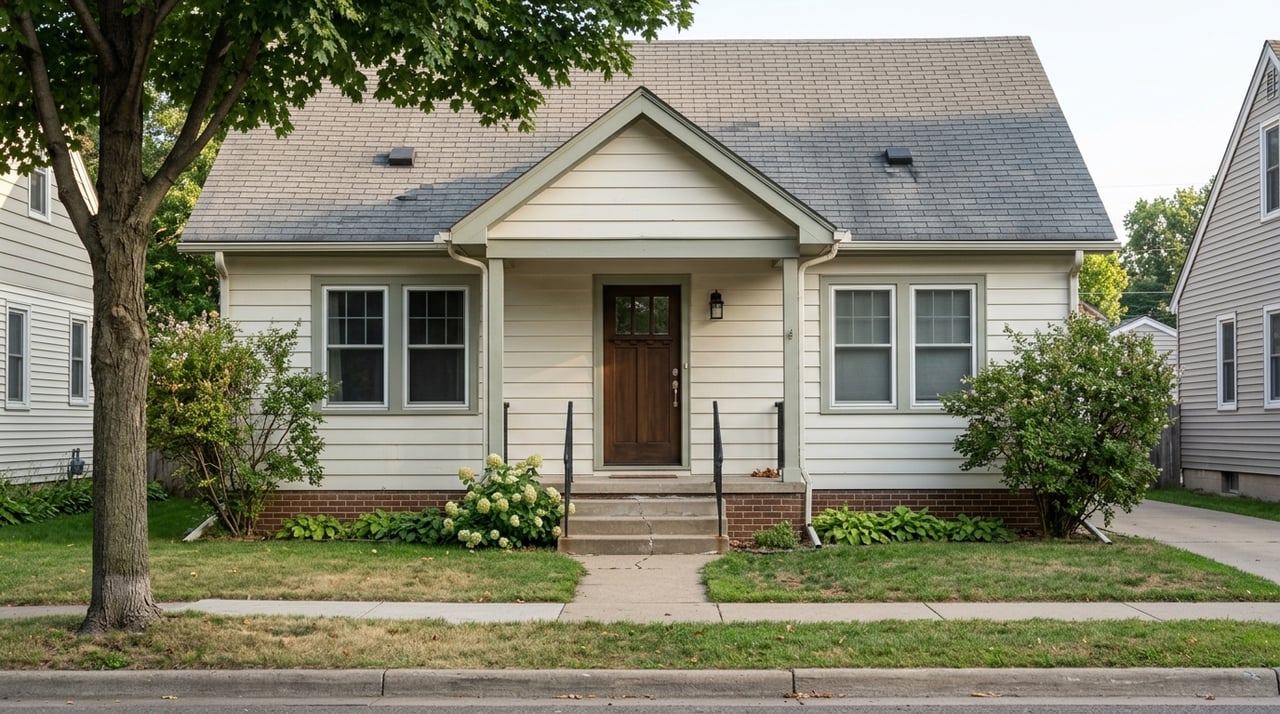
Older downtown-adjacent neighborhoods are compact by design. Northfield’s zoning says the R1 district generally includes established neighborhoods surrounding downtown, with standards intended to reinforce the character of older neighborhoods through infill and redevelopment.
For buyers, that often translates into homes that sit closer together, tighter lot widths, and blocks that connect more directly. In the city code, single-family lots in these areas can be relatively narrow at about 40 feet, which helps explain the closer-knit feel compared with many newer subdivisions.
Established In-Town Neighborhoods
A Connected Everyday Layout
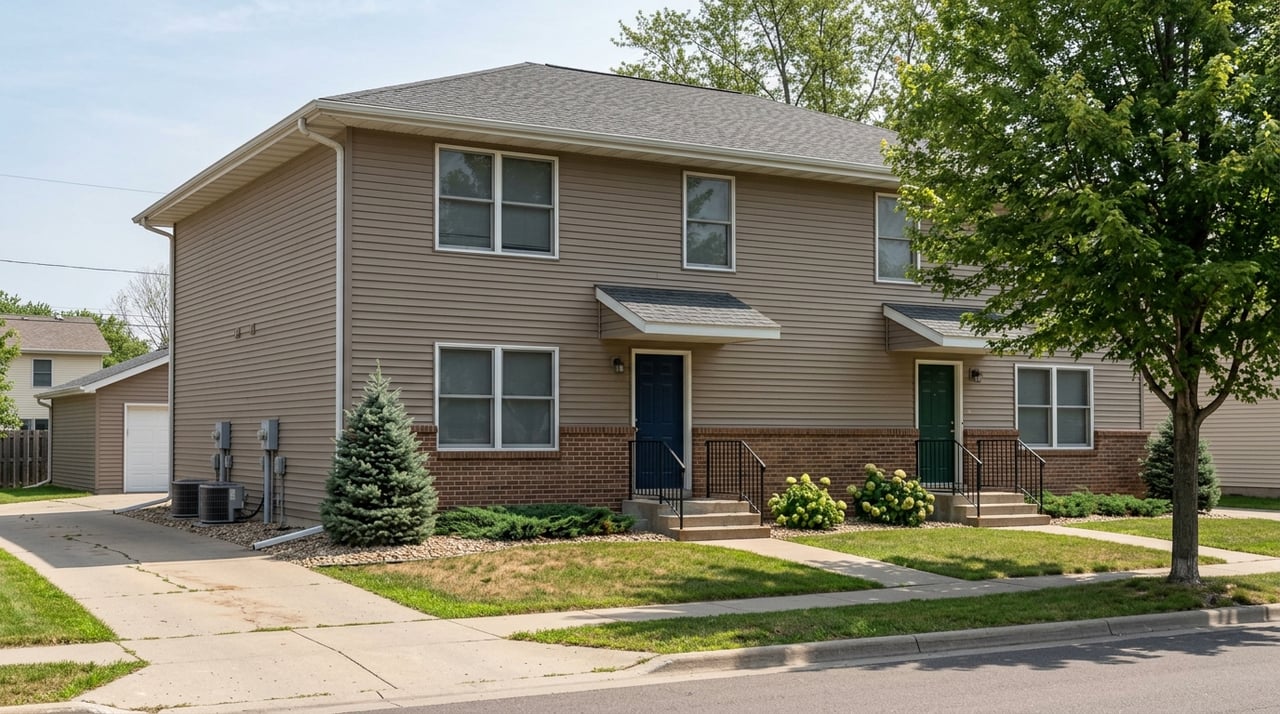
Beyond the most historic core, Northfield still has older in-town neighborhoods that keep much of the original grid feel. These areas generally include smaller lots, sidewalks, and a mix of single-family, two-family, and some multi-family homes.
The city’s planning documents describe these older in-town areas as some of the most walkable residential fabric in Northfield. If you value connected blocks and a layout that feels easy to move through, this part of town may appeal to you.
What Buyers Often Notice
In these neighborhoods, houses often feel more integrated into the block rather than set apart from it. Streets tend to connect more directly, and the physical pattern can make the area feel more cohesive and easier to navigate on foot or by bike.
That does not mean every street looks the same. It means the neighborhood pattern itself often supports a stronger sense of connection between homes, sidewalks, parks, and local destinations.
Newer Neighborhoods At The Edge Of Town
A More Suburban Pattern
Northfield’s later growth took on a different shape. After Highway 3 was built in 1958, the city says development moved toward larger parcels, more parking, winding roads, cul-de-sacs, and a more spread-out, highway-oriented pattern.
If you have lived in a more modern subdivision before, this may feel familiar. These neighborhoods often trade some of the tight-knit grid pattern for a layout with fewer connecting streets and a more suburban character.
More Variety Than You Might Expect
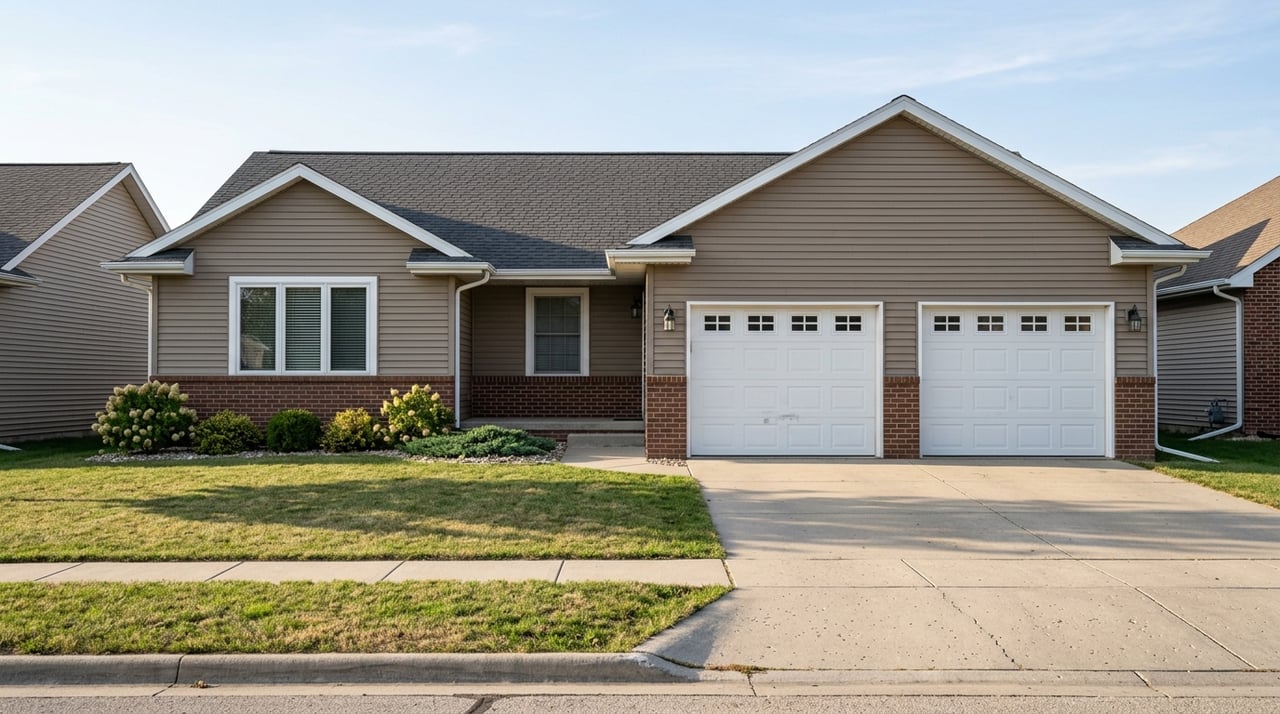
Newer development in Northfield is not limited to one kind of home. A current example is Cedar Meadows on the northwest edge of town, planned on about 61.94 acres with detached villas, single-family homes, twin homes or duplexes, triplex units, and a senior co-op, along with roads, a park, wetlands, buffers, and stormwater ponds.
That matters if you are trying to balance newer construction with housing choice. It shows that edge-of-town growth in Northfield can include a broader mix of home types rather than one repeated product across the whole neighborhood.
Why New Development Continues
Northfield’s 2024 housing study estimated demand for nearly 1,344 new housing units by 2035. That helps explain why the city continues to focus on both redevelopment inside town and new growth areas at the edges.
For buyers, this means you are likely to keep seeing choices across the spectrum. Some options may be in older neighborhoods with established street patterns, while others may be in newer areas designed to meet future housing demand.
How Lifestyle Can Shape Your Choice
Downtown Access And Daily Errands
If walkability matters to you, downtown Northfield sets the clearest example. The city says that around Division Street and Bridge Square, you can reach groceries, City Hall, the library, the riverfront, restaurants, coffee shops, the historic Depot, the transit hub, and other errands within a short walk.
That kind of access can shape your daily routine in a big way. You may drive less, combine errands more easily, and enjoy a neighborhood where public space and storefronts are built close together.
Trails, Parks, And Outdoor Access
Northfield also places a strong focus on outdoor access. The city notes multiple recreational trails for mountain biking, hiking, and mixed use, and its trail network connects residents to places like the Cowling Arboretum and St. Olaf natural lands.
The comprehensive plan also supports making parks and open space reachable within 10 to 15 minutes by walking, biking, or rolling. If being near trails and outdoor recreation is high on your list, that is an important part of Northfield’s overall neighborhood feel.
Historic Home Considerations
Exterior Changes May Require Review
Historic homes can offer character that is hard to replicate, but they can also come with extra rules. In Northfield’s local historic district, the city requires a Certificate of Appropriateness before exterior construction, alteration, rehabilitation, moving, or demolition on a heritage preservation site.
For you as a buyer, that means ownership may come with less flexibility on exterior updates than you would have in a newer subdivision. If you are considering an older home in the historic district, it is worth understanding that review process early.
How To Think About Your Best Fit
The right Northfield neighborhood often comes down to how you want your home and surroundings to function together. If you want architectural variety, tighter blocks, and easier access to downtown destinations, the historic core or older in-town neighborhoods may feel like the best match.
If you prefer newer construction, a more suburban street pattern, or a development with a mix of newer housing types, edge-of-town neighborhoods may make more sense. Neither option is better across the board. The goal is finding the setting that fits your routine, priorities, and comfort level.
Whether you are comparing older homes near downtown or newer options on the edge of town, local guidance can help you weigh the tradeoffs with confidence. If you want help exploring Northfield and nearby southern Minnesota housing options, connect with RE/MAX Venture for practical, hands-on support.
FAQs
What kinds of home styles are common in Northfield, Minnesota?
- Northfield includes a mix of historic and contemporary homes, including Gothic Revival, Queen Anne, Eastlake, Craftsman, Period Revival, Tudor Revival, Italianate, cream-brick homes, and newer subdivision-style housing.
What is the neighborhood feel near downtown Northfield?
- Downtown-adjacent Northfield neighborhoods are generally compact and walkable, with a historic grid street pattern, connected blocks, and homes on relatively tighter lots.
Are newer Northfield neighborhoods all single-family homes?
- No. Recent development examples in Northfield include detached villas, single-family homes, twin homes or duplexes, triplex units, and senior co-op housing.
What should buyers know about historic homes in Northfield?
- If a home is in Northfield’s local historic district, certain exterior changes may require a Certificate of Appropriateness from the city before work begins.
Does Northfield offer walkable access to parks and trails?
- Yes. The city highlights multiple recreational trails and supports access to parks and open space within about 10 to 15 minutes by walking, biking, or rolling.